
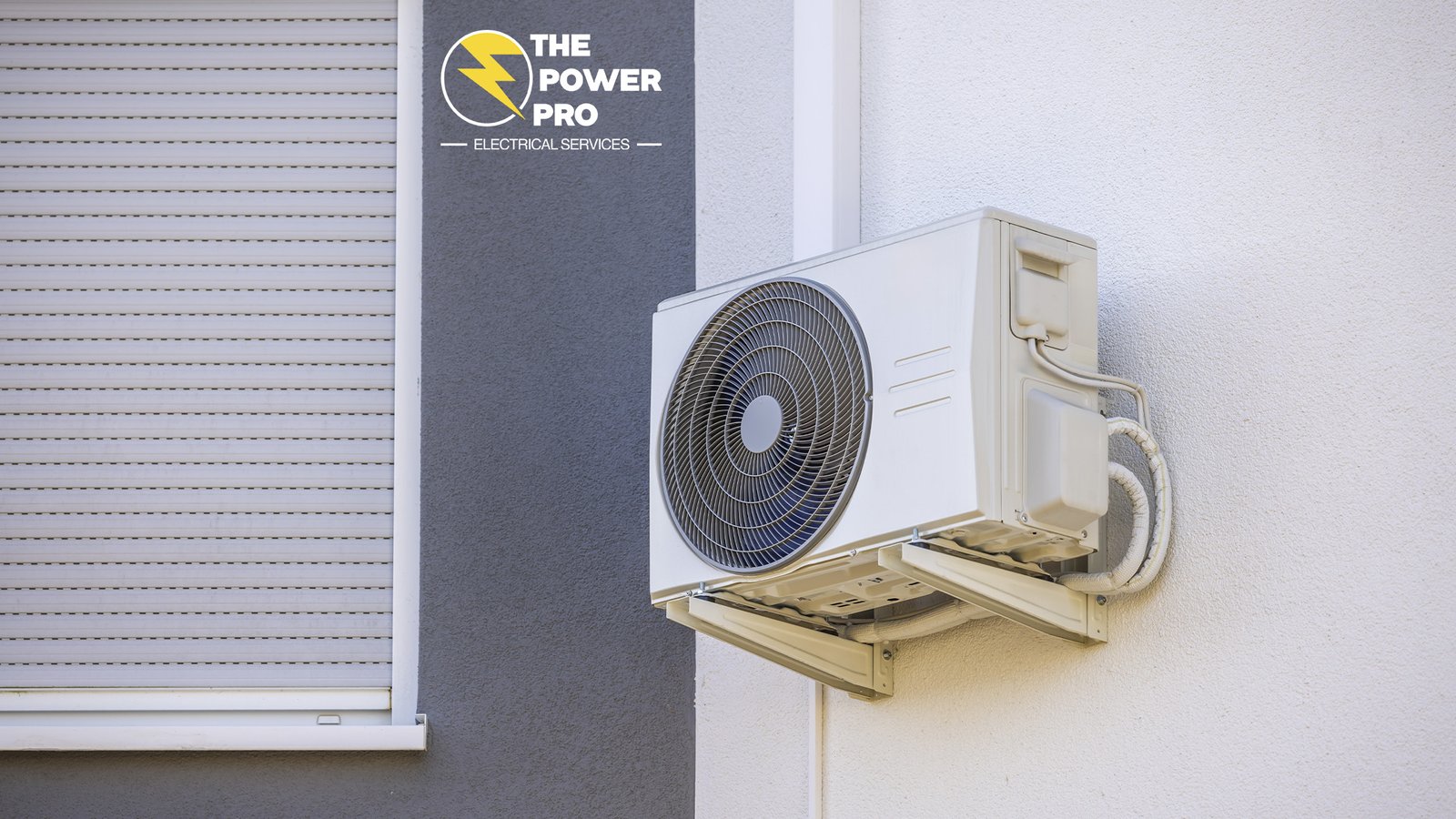
The Importance of Cleaning Your Mini Split: Improve Air Quality and Efficiency. The installation of mini split systems (ductless air conditioners) has transformed the way homes are climate-controlled in Massachusetts. Whether in Chelmsford, Westford, or Billerica, these units have gained popularity for being quiet and extremely efficient. However, to maintain that performance and the energy savings promised at the time of purchase, there is a fundamental requirement that many homeowners overlook: professional internal cleaning.
Unlike conventional systems, where the air handler is hidden in a basement or attic, the indoor mini split unit is located directly on the wall, breathing the same air as the occupants. Over time, the unit’s natural operation attracts dust and moisture, creating problems that go beyond mere aesthetics.
Below, we explain in practical terms why accumulated dirt is the biggest enemy of your system and how correct maintenance protects both your equipment and your family’s health.
What Happens Inside Your Mini Split?
To understand the necessity of cleaning, we must look at how the appliance works. The mini split pulls air from the room, passes it through a cold (or hot) evaporator coil, and returns the conditioned air to the space.
During the humid summer months, the cooling process generates condensation—i.e., water. When this moisture mixes with household dust, pet dander, and cooking grease that bypass the primary filters, a layer of contamination forms on the internal components.
This contamination primarily builds up in two critical places:
- The Evaporator Coil: Blocking airflow and inhibiting temperature exchange.
- The Blower Wheel (Fan): The cylindrical fan responsible for moving air becomes weighted and unbalanced by dust buildup, causing abnormal noise and vibration.
Direct Impact on Your Utility Bill and Durability
The efficiency of a mini split is entirely dependent on unobstructed airflow. When dirt restricts air passage through the coil, the system is forced to work twice as hard to deliver the same result.
The compressor, which is the system’s “engine” located outside, is forced to increase power and remain running for longer periods to attempt to reach the set temperature.
The result is predictable:
- Increased energy bills: The unit consumes more electricity to do the same amount of work.
- Premature wear: Overworked components break down faster, reducing the equipment’s lifespan.
- Performance drop: The room takes longer to cool or heat effectively.
Industry studies indicate that a dirty system can lose a significant portion of its efficiency. Maintaining a clean unit is, therefore, a financially sound decision.
Indoor Air Quality and Health Risks
Beyond the mechanical issues, there is the health factor. The dark, moist interior of a neglected mini split is the perfect environment for mold and bacteria growth.
When the fan is running, it can actively blow these microorganisms into the air you breathe. This often results in an unpleasant odor, known in the industry as “Dirty Sock Syndrome”—a musty or sour smell that appears as soon as the unit turns on.
For families with children, the elderly, or individuals with allergies and asthma, this poses a serious problem. The equipment intended for comfort ends up worsening the quality of the air inside the home.
Signs Your Unit Needs Cleaning
Often, the equipment provides clues that it requires professional attention. Watch for these signs:
- Musty or stale odors upon startup.
- Cracking or vibrating noises coming from the indoor unit.
- Weak airflow, even at maximum fan speed.
- Unexplained increases in the electricity bill.
- Water leaks or dripping on the indoor wall (a sign of a clogged drain line caused by sludge).
Filter Cleaning vs. Professional Deep Clean
A common point of confusion is the difference between maintenance tasks. Washing the plastic filters (the ones you easily remove and rinse) is excellent and necessary, but it is not sufficient.
Filter cleaning only removes surface dust. It does not reach the mold that grows behind the filter, on the blower wheel, or inside the drain pan. To address this, a Professional Deep Clean is required.
This service, performed by experts, follows a careful procedure:
- Containment: Installation of specialized waterproof bags (known as “bib kits”) around the unit to capture fluids and debris, protecting walls and furniture.
- Product Application: Use of specific, safe chemical cleaners designed for aluminum coils, which break down contaminants without causing corrosion.
- Low-Pressure Rinse: Rinsing the coil and blower wheel with specialized low-pressure washing equipment to flush all contamination out of the system.
Protect Your Comfort and Investment
The mini split system is a modern and efficient technology, but it requires maintenance to operate at its full potential. Allowing a lack of internal cleaning to compromise these benefits is not an economy; it is, rather, a postponement of issues that will result in higher utility bills and reduced equipment lifespan.
Professional, periodic cleaning is not a superficial cost but a necessary measure to preserve the equipment and guarantee a healthy indoor environment.
Is your system operating at peak efficiency? Do not wait for strange smells or system failure. The team at The Power Pro Electrical Services utilizes specialized tools and techniques for the complete professional cleaning of your mini split system, ensuring the air quality your family breathes and the savings on your energy bill. Contact us to schedule your preventive maintenance today.