
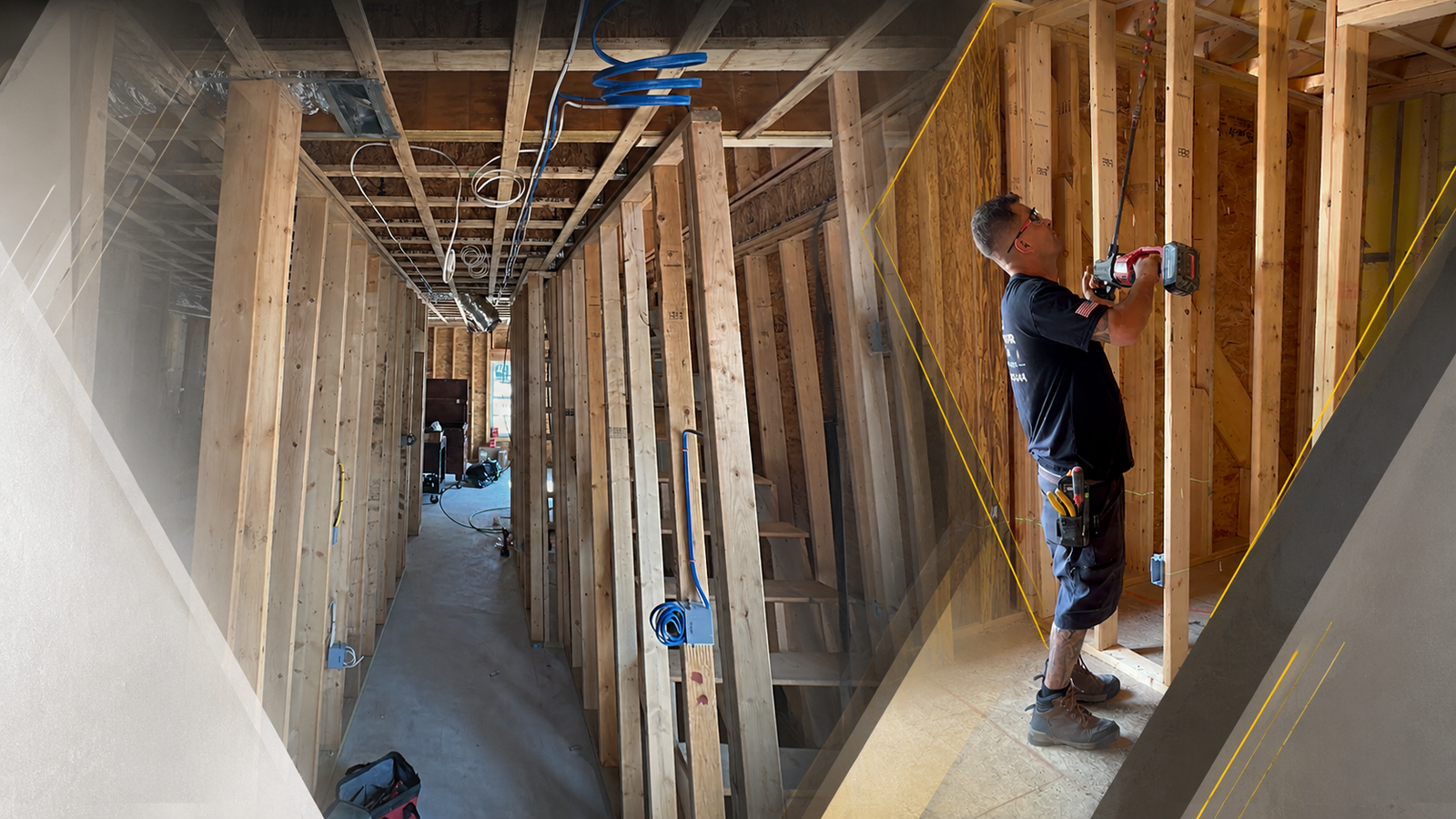
Every finished electrical system begins before the walls are closed.
In a construction or renovation project, the electrical rough-in is one of the most important phases. This is the stage where wiring, electrical boxes, conduit, circuit pathways, switch locations, outlet locations, lighting points, and equipment connections are installed before drywall and final finishes are added.
For homeowners, builders, and property managers, professional Electrical Rough-In in Massachusetts helps create a safer, more organized, and more reliable electrical system from the beginning of the project.
Once the walls are finished, most of this work will no longer be visible. However, the quality of the rough-in continues to affect how the property functions every day.
If you are planning a renovation, addition, or new construction project, working with an experienced electrician is essential. The Power Pro Electrical Services provides professional electrical services in Massachusetts for residential and commercial projects that require safe planning, organized wiring, and long-term reliability.
What Is Electrical Rough-In?
Electrical rough-in is the phase of a construction or renovation project when the main electrical infrastructure is installed before walls, ceilings, and finishes are completed.
During this stage, electricians prepare the system by installing:
- electrical boxes;
- wiring routes;
- conduit;
- outlet locations;
- switch locations;
- lighting points;
- circuit pathways;
- equipment connections;
- low-voltage pathways when needed;
- grounding and bonding requirements.
This work happens while the framing is still open. As a result, electricians can route wiring properly, coordinate with other trades, and prepare the space before drywall limits access.
The rough-in stage is not the final visible result, but it is the foundation of the finished electrical system.
Why Electrical Rough-In Matters
A finished room may look simple, but every outlet, switch, light, appliance, fixture, and piece of equipment depends on decisions made during rough-in.
If this stage is rushed or poorly planned, the property may face problems later. These can include inconvenient outlet placement, limited lighting control, overloaded circuits, difficult repairs, or electrical systems that do not support the way the space is used.
A well-planned rough-in helps support:
- safety;
- functionality;
- code compliance;
- future maintenance;
- long-term reliability;
- better circuit organization;
- easier troubleshooting;
- proper equipment operation.
Good electrical work starts with structure, planning, and precision before the finished walls are ever installed.
Planning the Electrical Layout
Before wires are pulled and boxes are installed, the electrical layout should be planned around the future use of the space.
This includes understanding where people will need power, how each room will function, what equipment will be installed, and how lighting, outlets, switches, and circuits should be placed.
A professional electrician considers practical and technical details such as:
- room layout;
- furniture placement;
- appliance locations;
- lighting needs;
- switch accessibility;
- dedicated circuits;
- equipment requirements;
- inspection requirements;
- safe wire routing;
- future expansion.
The goal is not only to install wiring. The goal is to build an electrical system that makes sense for how the property will actually be used.
This is especially important in remodeling projects, additions, basements, kitchens, bathrooms, garages, offices, and commercial spaces where electrical demand may be higher or more specific.
Box Placement and Accessibility
Electrical boxes are installed during rough-in for outlets, switches, lighting, junction points, and equipment connections.
Proper box placement matters because it affects the convenience, safety, and usability of the finished space.
For example, outlets should be placed where power will be needed. Switches should be easy to access. Lighting points should support the layout of the room. Equipment connections should be located where the equipment will actually be installed.
Poor placement can create frustration after the walls are closed. Outlets may end up hidden behind furniture, switches may be inconvenient, and equipment may not have proper access to power.
A well-planned rough-in considers both the technical requirements and the way the space will be used every day.
Every box placement should have a purpose.
Wiring and Circuit Pathways
During rough-in, wiring is routed through the framing to connect panels, switches, outlets, fixtures, and equipment.
This stage requires careful coordination because wiring must be protected, properly supported, and routed according to electrical standards.
Professional wiring should be installed with attention to:
- proper support;
- safe routing through framing;
- protection from damage;
- circuit organization;
- correct wire sizing;
- clean connection points;
- future serviceability.
Once drywall is installed, much of this work will be hidden. That is why precision during this phase is so important.
The system must be built correctly before it disappears behind the finished walls.
Electrical Rough-In for Renovations
Electrical rough-in is not only important for new construction. It is also a critical part of renovation projects.
Older properties may have existing wiring, limited circuits, outdated layouts, or systems that were not designed for modern electrical demand.
During a renovation, rough-in work may involve updating wiring, adding circuits, relocating outlets, preparing for new lighting, supporting HVAC or mini split systems, and improving the overall electrical layout.
In many cases, renovation work also requires careful coordination with existing walls, framing, plumbing, HVAC, and service equipment.
That is why renovations often require more than simply adding new wires. They require a clear plan for how the updated system will work with the existing structure.
If the project also involves service or panel improvements, it may be helpful to evaluate whether an electrical panel upgrade is needed to support the new electrical demand.
Electrical Rough-In for New Construction
In new construction, rough-in provides the foundation for the entire electrical system.
Because the framing is open, this stage gives electricians the best opportunity to route wiring correctly, coordinate with other trades, and prepare the property for long-term use.
New construction rough-in may include:
- panel location coordination;
- outlet and switch installation;
- lighting circuits;
- dedicated equipment circuits;
- smoke and carbon monoxide detector wiring;
- kitchen and bathroom wiring;
- exterior power preparation;
- garage or basement circuits;
- future expansion pathways.
A strong electrical foundation helps prevent unnecessary corrections after the project moves into later stages.
It also helps builders and property owners avoid delays caused by poor coordination or incomplete planning.
Coordination With Other Trades
Electrical rough-in does not happen in isolation.
Electricians often need to coordinate with framers, plumbers, HVAC contractors, insulation teams, drywall installers, and builders.
This coordination helps prevent conflicts between systems and ensures that wiring, ductwork, plumbing, framing, and equipment locations work together.
For example, wiring routes may need to avoid plumbing lines, HVAC ductwork, structural elements, and future fixture locations.
When this coordination is handled early, the project can move forward with fewer interruptions and fewer corrections.
Good coordination during rough-in protects both the electrical system and the overall construction schedule.
Code Compliance and Inspections
Electrical rough-in must be completed according to applicable electrical codes and local requirements.
Before walls are closed, rough-in electrical work is often inspected to confirm that the installation meets safety standards.
An inspection may review:
- wire routing;
- box placement;
- conductor sizing;
- grounding and bonding;
- circuit protection;
- support and securing methods;
- panel coordination;
- required clearances;
- proper installation practices.
Code compliance is not just a formality. It is part of building a safe and reliable electrical system.
A qualified electrician understands how to prepare the installation for inspection while also keeping the long-term performance of the property in mind.
Why Precision Matters During Rough-In
Precision is not just a detail in electrical work. It is part of the process.
During rough-in, every measurement, route, box location, and connection point affects the finished system.
A precise installation helps create a system that is:
- safer;
- easier to inspect;
- easier to maintain;
- better organized;
- more reliable over time;
- prepared for future electrical needs.
When electrical rough-in is done correctly, the finished space can function the way it was designed to function.
This is why rough-in work should never be treated as a rushed step. It is the stage where the system is built to support everything that comes next.
Common Mistakes in Poor Electrical Rough-In
Poor rough-in work can create problems that are difficult and expensive to fix later.
Common issues may include:
- poorly placed outlets;
- missing dedicated circuits;
- unsupported wiring;
- crowded or disorganized routing;
- limited access for future service;
- incorrect box height;
- conflicts with plumbing or HVAC systems;
- insufficient lighting planning;
- lack of future expansion consideration;
- rushed work before inspection.
These mistakes can affect the project long after construction is complete.
In some cases, correcting rough-in mistakes after drywall is installed may require opening walls, rerouting wiring, or delaying the project.
That is why hiring an experienced electrical contractor is essential.
Signs of a Well-Planned Electrical Rough-In
A professional rough-in should look organized and intentional, even before the walls are finished.
Signs of quality rough-in work may include clean wire routing, properly installed boxes, organized circuit pathways, secure conduit, consistent placement, protected wiring, and clear coordination with the framing.
The work should also make sense for the future use of the space.
A well-planned installation prepares the property for lighting, outlets, switches, appliances, HVAC equipment, technology, and other electrical needs that may be added later.
Good rough-in work is not only about meeting minimum requirements. It is about building a system that supports the property well after construction is complete.
Electrical Rough-In and Long-Term Reliability
Most people will never see the electrical rough-in once the project is complete.
But they will use the result every day.
Every outlet that works properly, every switch that is placed conveniently, every light that responds correctly, and every circuit that supports the space depends on what happened before the walls were closed.
Reliable electrical systems are built through decisions made early in the project.
That is why electrical rough-in is one of the most important phases of any construction or renovation project.
Professional Electrical Rough-In in Massachusetts
Electrical rough-in requires planning, technical knowledge, coordination, and careful execution.
Whether the project is a new construction build, home renovation, addition, basement finish, commercial build-out, or property upgrade, the electrical infrastructure must be installed correctly before the next phase begins.
The Power Pro Electrical Services provides Electrical Rough-In in Massachusetts for construction and renovation projects that require safe wiring, proper box placement, organized circuit pathways, and long-term reliability.
Our team focuses on professional planning, clean execution, code-compliant installation, and reliable performance from the beginning of the project.
Whether you are building a new space, remodeling an existing property, or preparing an addition, the rough-in phase is the right time to make sure the electrical system is planned correctly.
Contact The Power Pro Electrical Services to discuss your next construction or renovation electrical project in Massachusetts.
Frequently Asked Questions
What does electrical rough-in mean?
Electrical rough-in is the stage of construction or renovation when wiring, electrical boxes, conduit, and circuit pathways are installed before drywall and final finishes are added.
Why is electrical rough-in important?
Electrical rough-in creates the foundation for the finished electrical system. Proper planning at this stage affects safety, functionality, reliability, code compliance, and future maintenance.
When does electrical rough-in happen?
Electrical rough-in usually happens after framing is complete and before insulation, drywall, and final finishes are installed.
Can electrical rough-in be changed later?
Some changes may be possible later, but they are often more difficult and more expensive once walls and ceilings are closed. That is why careful planning is important early in the project.
Does electrical rough-in need to be inspected?
In many construction and renovation projects, rough-in electrical work must be inspected before the walls are closed. Local requirements may vary by municipality.
What is included in electrical rough-in?
Electrical rough-in may include wiring, electrical boxes, conduit, switch locations, outlet locations, lighting points, equipment connections, grounding, bonding, and circuit preparation.
Who should perform electrical rough-in work?
Electrical rough-in should be completed by a qualified electrician who understands electrical codes, safe installation practices, project coordination, and long-term system reliability.