
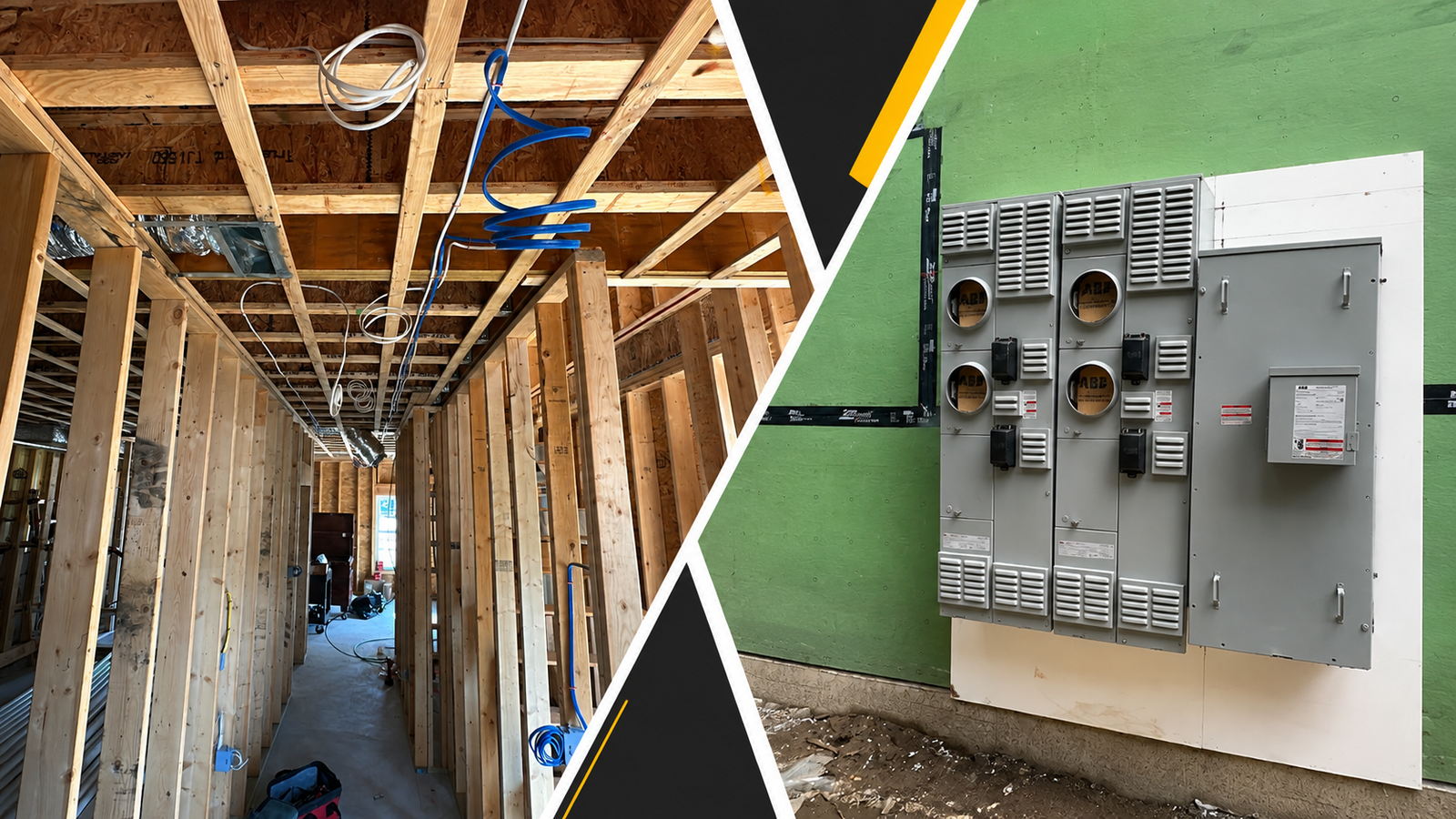
A solid electrical project does not happen by accident.
Before the wiring, before the equipment, and before the final connection, every successful electrical installation begins with a clear plan.
Professional Electrical Planning in Massachusetts helps homeowners, builders, and business owners make better decisions before the work begins. It helps determine what the property needs, how the system should be installed, where equipment should be placed, and how the installation can support safe long-term use.
Whether the project involves a panel upgrade, lighting installation, EV charger, mini split, rough-in wiring, exterior electrical equipment, or a commercial system, planning affects the final result.
The Power Pro Electrical Services provides professional electrical services in Massachusetts for residential and commercial projects that require safe, organized, and reliable electrical work.
Why Electrical Planning Matters
Electrical work is not only about installing wires and equipment.
It is about understanding how the property uses power and building a system that can support those needs safely.
A good electrical plan helps answer important questions before the installation begins:
- What equipment will be connected?
- How much electrical demand will the property require?
- Where should wiring be routed?
- Where should panels, boxes, switches, outlets, or disconnects be placed?
- Will the existing system support the new work?
- Does the project require dedicated circuits?
- Will the installation remain accessible for future service?
- How will the finished space be used?
When these questions are addressed early, the installation can be safer, cleaner, and more reliable.
Planning Before Installation
Every electrical project has a starting point.
Sometimes it starts with a homeowner wanting better lighting. Sometimes it starts with a builder preparing a new space. Other times, it starts with a business needing equipment, a property owner planning a panel upgrade, or a customer preparing for an EV charger or mini split.
In each case, the planning stage helps determine what needs to happen before the work is completed.
This may include reviewing the existing electrical system, checking panel capacity, identifying wiring paths, selecting proper equipment, and planning access points.
Good planning helps avoid rushed decisions and unnecessary corrections later.
Electrical Planning for Panel Work
The electrical panel is one of the most important parts of a property’s electrical system.
Before a panel upgrade, panel replacement, or panel evaluation, the electrical contractor should understand what the home or business needs now and what it may need in the future.
Panel planning may include reviewing:
- current electrical demand;
- available capacity;
- circuit organization;
- breaker space;
- grounding and bonding;
- existing equipment;
- future electrical upgrades;
- accessibility;
- safety concerns.
A panel should not only support the property today. It should also be considered in relation to future needs such as HVAC systems, lighting upgrades, EV chargers, backup generators, additions, or renovations.
That is why panel work should begin with evaluation and planning, not just replacement.
Electrical Planning for Rough-In Work
During new construction or renovation, rough-in wiring happens before the walls are closed.
This is one of the most important times for electrical planning because the structure is still open and decisions can be made with better access.
Electrical rough-in planning may include:
- outlet locations;
- switch locations;
- lighting points;
- wiring routes;
- circuit pathways;
- equipment connections;
- low-voltage pathways;
- future service access;
- coordination with other trades.
Once drywall and finishes are installed, changes become more difficult and more expensive.
That is why careful planning during rough-in helps create a better finished space.
A reliable electrical system starts before the final walls are visible.
Electrical Planning for Lighting
Lighting affects how a space looks, feels, and functions.
Good lighting planning considers more than fixture style. It also considers placement, control, brightness, room layout, ceiling height, wiring, switches, dimmers, and how people will use the space every day.
Lighting planning may include:
- recessed lighting layout;
- bathroom light placement;
- pendant light location;
- hallway lighting;
- kitchen lighting;
- exterior lighting;
- switch placement;
- dimmer compatibility;
- fixture support.
When lighting is planned correctly, the finished space feels more complete and works better for daily use.
Professional installation helps make sure the lighting looks right and operates safely.
Electrical Planning for Mini Splits and HVAC
Mini split systems and HVAC equipment depend on proper electrical support.
Before installation, the electrical system should be reviewed to confirm that the equipment can be supported safely.
Planning may include checking panel capacity, circuit requirements, disconnect placement, wiring paths, and equipment location.
This matters because the mini split or HVAC unit is only one part of the system. The electrical work behind it helps support safe operation, consistent performance, and long-term reliability.
When the electrical side is planned correctly, the equipment is better prepared for everyday use.
Electrical Planning for EV Chargers
EV charger installation is another project that should always begin with planning.
An EV charger can add significant electrical demand to a property. Before installation, an electrician should review the existing panel, available capacity, circuit requirements, wiring path, charger location, and installation conditions.
Planning helps determine whether the property is ready for the charger or whether updates are needed first.
A properly planned EV charger installation supports safer daily charging and helps prevent overload concerns.
Convenience matters, but safety and system readiness matter first.
Electrical Planning for Exterior Equipment
Not every important part of an electrical system is inside the building.
Exterior equipment, service components, conduits, disconnects, meters, and access points all play a role in how power is delivered and maintained.
Planning exterior electrical work may involve:
- equipment placement;
- conduit routing;
- clear access;
- weather exposure;
- serviceability;
- coordination with the building structure;
- future maintenance needs.
Exterior electrical equipment should be installed in a way that supports the property safely and remains accessible for service when needed.
What happens outside the building can affect how the entire electrical system performs inside.
Electrical Planning for Commercial Projects
Commercial electrical work often has different demands than residential work.
A business may need power for automated equipment, overhead doors, lighting, HVAC systems, machinery, office equipment, exterior systems, security, or specialty installations.
Commercial electrical planning should consider:
- daily business operations;
- equipment requirements;
- electrical load;
- safety;
- access;
- downtime;
- future expansion;
- code requirements;
- system reliability.
For business owners, proper planning helps reduce disruptions and supports systems that need to work consistently.
A commercial electrical installation should be planned around how the property is actually used.
Planning Helps Prevent Future Problems
Many electrical issues can be traced back to poor planning.
When the layout, load, wiring path, or equipment placement is not considered carefully, the result may create problems later.
Poor planning can lead to:
- overloaded circuits;
- limited access for service;
- inconvenient outlets;
- poor lighting placement;
- difficult future upgrades;
- unsafe wiring conditions;
- crowded panels;
- equipment that does not perform reliably;
- unnecessary corrections after the project is complete.
Professional planning helps reduce these risks before they become expensive problems.
It also helps create a system that is easier to maintain over time.
Planning Improves Safety
Electrical safety starts with decisions made before installation.
Safe electrical planning includes choosing the correct wiring method, understanding the load, protecting circuits, placing equipment properly, and following code requirements.
Safety is not only about what happens at the end of the job.
It begins when the electrician evaluates the property and determines how the system should be built.
A safer installation starts with a better plan.
Planning Improves Long-Term Reliability
Electrical systems are used every day.
Lights, outlets, appliances, HVAC systems, panels, chargers, cameras, and commercial equipment all depend on the electrical infrastructure behind them.
When planning is done correctly, the finished system is better prepared to support daily use.
Long-term reliability depends on more than the equipment itself. It depends on how the wiring, circuits, panel, controls, and connections are planned and installed.
That is why a well-planned project can make a difference for years after the work is complete.
What a Professional Electrician Reviews Before Starting
Before beginning an electrical project, a professional electrician may review the property, the existing system, the customer’s goals, and the equipment being installed.
This may include:
- panel condition;
- electrical demand;
- available circuit space;
- wiring routes;
- equipment location;
- accessibility;
- grounding and bonding;
- code requirements;
- safety concerns;
- future expansion needs.
This review helps create a clearer installation plan.
It also helps the customer understand what is needed before the project moves forward.
Electrical Planning Is Not Only for Large Projects
Even smaller electrical jobs benefit from planning.
A light fixture replacement, outlet addition, bathroom upgrade, camera installation, or switch relocation may seem simple, but the wiring, box support, placement, and existing conditions still matter.
Small projects can create bigger problems when they are rushed or handled without proper evaluation.
Professional planning helps make even simple projects safer and cleaner.
Electrical Planning in Massachusetts
Massachusetts properties include older homes, renovated spaces, new construction, commercial buildings, multifamily properties, and businesses with different electrical needs.
Because every property is different, electrical work should be planned around the specific building, the existing system, and the customer’s goals.
The Power Pro Electrical Services provides Electrical Planning in Massachusetts for homeowners, builders, and businesses that need professional electrical work done with safety, organization, and long-term reliability in mind.
Whether you are planning a panel upgrade, lighting project, EV charger, mini split installation, rough-in wiring, exterior electrical work, or commercial electrical project, our team can help evaluate the system and build the right plan before the work begins.
Contact The Power Pro Electrical Services to discuss your next electrical project in Massachusetts.
Frequently Asked Questions
What is electrical planning?
Electrical planning is the process of evaluating the property, electrical demand, wiring paths, equipment placement, circuit needs, safety requirements, and future use before installation begins.
Why is electrical planning important?
Electrical planning helps improve safety, organization, reliability, accessibility, and long-term performance. It also helps reduce costly corrections later.
Do small electrical projects need planning?
Yes. Even smaller projects such as light fixture installation, outlet additions, camera installation, or switch relocation should be planned properly to ensure safe wiring and correct placement.
Why should the panel be checked before adding new equipment?
The panel should be checked to confirm that it can support the additional electrical demand and has the proper capacity, organization, and condition for the new work.
Is electrical planning important for renovations?
Yes. Renovations often change how a space is used. Planning helps determine outlet placement, lighting, switches, wiring routes, and circuit needs before walls and finishes are complete.
Does electrical planning help with future upgrades?
Yes. A well-planned electrical system can make future upgrades easier, safer, and more organized.
Who should handle electrical planning?
Electrical planning should be handled by a qualified electrician who understands wiring, panels, equipment requirements, safety standards, and the practical use of the property.