
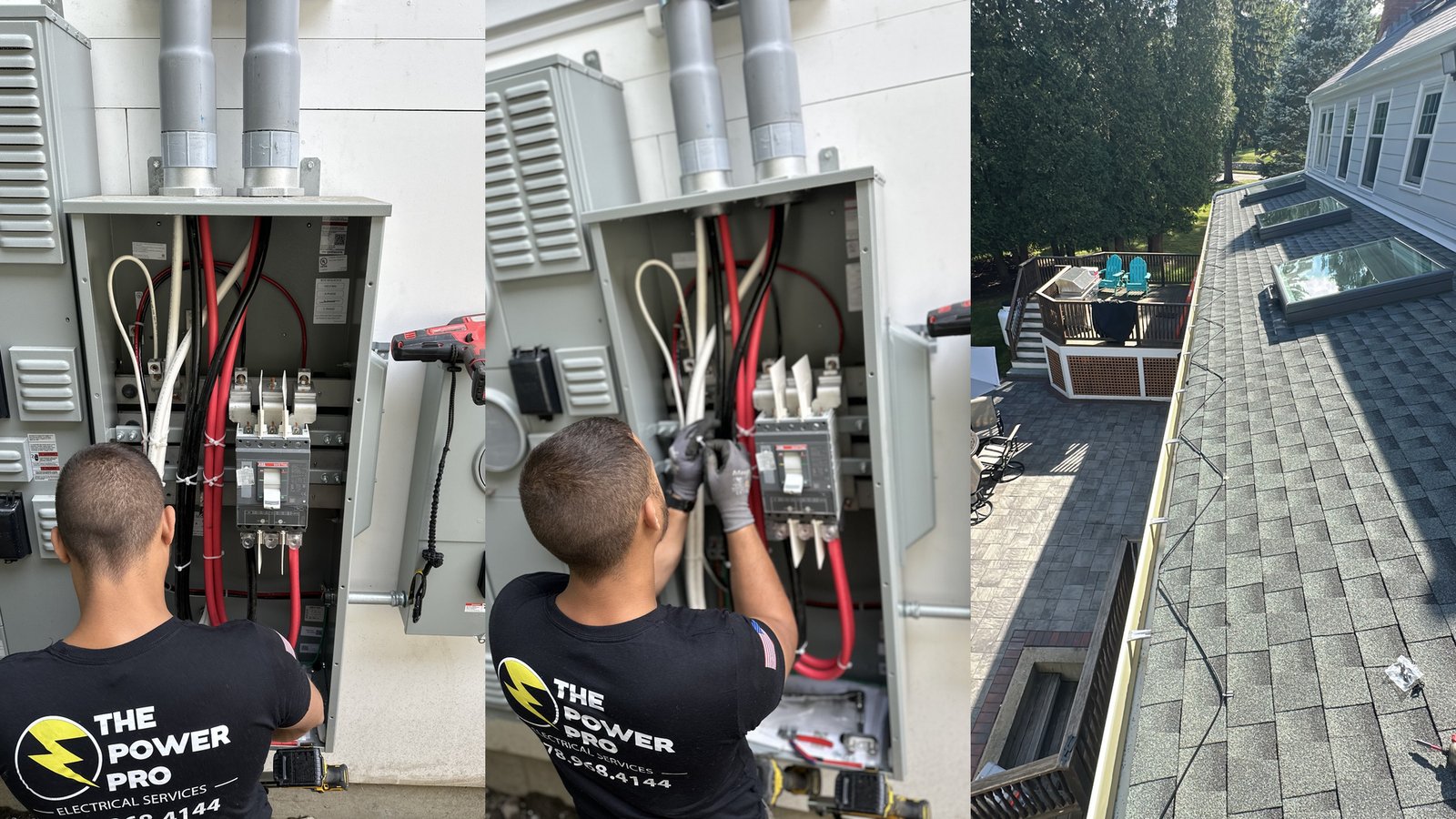
Many electrical problems do not begin with a complete failure.
They begin with smaller signs: a breaker that trips repeatedly, equipment that no longer supports the property’s demand, aging components, loose connections, visible deterioration, or an electrical system that has simply grown beyond what it was originally designed to handle.
A professional Electrical Service Inspection in Massachusetts helps evaluate the condition of the infrastructure responsible for bringing and distributing power throughout a property.
That evaluation may include much more than looking at the electrical panel.
Service equipment, conductors, disconnects, connection points, grounding and bonding, breaker configuration, physical condition, accessibility, and current electrical demand can all play a role in determining whether a system is operating as it should.
For homeowners and property managers, understanding what electricians evaluate can make it easier to recognize when professional attention is needed.
What Is an Electrical Service Inspection?
An electrical service inspection is a professional evaluation of the equipment and connections associated with the property’s main electrical supply and distribution system.
The exact scope depends on the property and the reason for the inspection.
An electrician may evaluate:
- electrical panels;
- main breakers;
- service disconnects;
- feeder and service conductors;
- equipment connections;
- conduit;
- grounding and bonding;
- breaker organization;
- visible signs of damage;
- available capacity;
- equipment condition;
- accessibility and serviceability.
The purpose is not simply to find something to replace.
The goal is to understand the condition of the existing system and determine whether it can safely and reliably support the property’s electrical needs.
Why Inspect More Than the Electrical Panel?
The panel is one of the most visible parts of an electrical system, but it does not operate independently.
Power reaches the panel through other service components.
Those components must work together correctly.
For example, a modern panel does not automatically mean that every upstream connection, conductor, disconnect, or piece of service equipment is appropriate for the property.
That is why a complete evaluation looks at the electrical service as a system rather than treating each component in isolation.
If the property is already showing signs of limitation or is preparing for a major upgrade, this broader view becomes even more important.
Our guide to Electrical Service Upgrade in Massachusetts explains how these components can work together during a larger service project.
1. Condition of the Service Equipment
One of the first things an electrician may evaluate is the physical condition of the equipment.
Electrical equipment can be affected by age, moisture, corrosion, previous modifications, physical damage, heat, or poor installation practices.
Visible warning signs may include:
- corrosion;
- damaged enclosures;
- deteriorated components;
- signs of overheating;
- loose or missing covers;
- exposed conductors;
- damaged conduit;
- unusual discoloration;
- poorly supported equipment.
Not every cosmetic issue indicates a serious electrical problem.
However, visible deterioration can provide useful clues about whether a deeper evaluation is needed.
2. Electrical Connections
Electrical systems depend on properly installed connections.
This becomes especially important at service equipment, where larger conductors may carry significant electrical loads.
Connections that are not installed correctly may affect the reliability of the system.
Professional service work therefore involves more than connecting conductors and closing the enclosure.
Critical connections may need to be installed and verified according to the equipment manufacturer’s specifications.
This is why electricians use specialized tools during certain types of service work.
Why Torque Verification Matters
One of the steps visible in our recent project involved verification of an electrical connection using a torque tool.
This is not simply an extra finishing step.
Electrical equipment can specify how connections must be tightened.
Too little torque can result in an inadequate connection. Excessive torque can also be problematic because electrical components are designed to be installed within specific requirements.
Professional installation means following those specifications rather than relying only on how tight a connection feels.
In other words:
A connection should not be considered complete simply because the conductor is attached.
Verification matters.
3. Service Conductors
Service and feeder conductors carry power between major parts of the electrical system.
During an evaluation, electricians may consider their:
- size;
- routing;
- physical condition;
- termination points;
- protection;
- compatibility with the equipment;
- support.
Conductors must be appropriate for the system they serve.
If a property is planning significant new electrical loads, conductor capacity may also become part of the discussion.
4. Main Breaker and Disconnect Equipment
The main breaker and service disconnect equipment play important roles in controlling the electrical supply.
An electrician may evaluate whether this equipment is:
- physically sound;
- accessible;
- correctly installed;
- appropriate for the system;
- operating with compatible components.
Older properties may have configurations that differ significantly from newer installations.
That does not automatically mean replacement is required.
It means the system should be evaluated based on its actual condition and the property’s current requirements.
5. Panel Capacity and Circuit Demand
An inspection can also help determine whether the property’s electrical distribution system is keeping up with demand.
Modern homes may use considerably more electrical equipment than they did when the property was originally built.
Common additions include:
- mini splits;
- central HVAC equipment;
- electric cooking equipment;
- EV chargers;
- heated flooring;
- workshops;
- home offices;
- outdoor kitchens;
- pools and spas;
- standby generators;
- additions and finished basements.
Adding new equipment does not automatically mean the electrical service needs to be upgraded.
However, the existing system should be evaluated to determine whether sufficient capacity is available.
6. Breakers That Keep Tripping
Repeated breaker trips are one of the most recognizable reasons to call an electrician.
A breaker is designed to interrupt the circuit under certain conditions.
Resetting it once may restore power, but a breaker that continues to trip should not simply be reset again and again without understanding the cause.
Possible reasons can include:
- circuit overload;
- a problem with connected equipment;
- a wiring issue;
- a fault within the circuit;
- another condition requiring professional diagnosis.
The important point is not to guess.
Repeated trips are information.
Professional troubleshooting helps identify what the electrical system is responding to.
7. Grounding and Bonding
Grounding and bonding are essential parts of electrical infrastructure.
Property owners may rarely see or think about them, but electricians consider them when evaluating service equipment.
The specific configuration varies depending on the system and property.
During service work, an electrician may review existing grounding and bonding components to determine whether they are properly coordinated with the installation.
This is another reason an electrical service inspection is broader than simply opening the panel and looking at the breakers.
8. Conduit and Physical Protection
Electrical conductors frequently travel through conduit or other approved pathways.
During an inspection, the electrician may evaluate:
- conduit condition;
- physical support;
- entry points;
- routing;
- exposed damage;
- transitions between equipment;
- protection of conductors.
Good service infrastructure should not only work electrically.
It should also provide appropriate physical protection for the components inside it.
9. Accessibility and Future Service
Electrical equipment eventually needs inspection, maintenance, troubleshooting, repair, or modification.
That makes accessibility important.
A professional installation should consider whether major equipment can be reached and serviced appropriately.
Poor placement or overcrowded installations can make future work more difficult.
Organized service equipment also makes it easier for electricians to understand the system when troubleshooting or making future changes.
Electrical Service Inspection Before Adding New Equipment
One of the best times to evaluate the electrical service is before adding a significant new load.
That may include:
- an EV charger;
- a mini split system;
- a larger HVAC system;
- electric heating;
- a generator;
- major kitchen equipment;
- a hot tub;
- workshop machinery.
The inspection helps answer an important question:
Can the existing electrical system support what the property owner plans to add?
If the answer is yes, the project can move forward based on the existing infrastructure.
If improvements are needed, the homeowner can plan them before installing equipment that the electrical system cannot adequately support.
Electrical Inspections During Renovations
Renovations are another valuable opportunity to evaluate the electrical system.
When walls are opened and construction is already underway, electricians may have better access to wiring and infrastructure that is normally concealed.
A renovation may also change the property’s electrical demand.
New kitchens, bathrooms, additions, finished basements, HVAC equipment, lighting, offices, and outdoor living areas can all affect the final electrical plan.
Our article on Electrical Rough-In in Massachusetts explains why this planning should happen while electrical infrastructure is still accessible.
Service Inspection Before a Panel Upgrade
A homeowner may contact an electrician believing that the panel needs replacement.
Sometimes that is correct.
Other times, the full evaluation reveals that the project involves more than the panel.
The service equipment, conductors, disconnects, grounding, or other components may also need attention.
Conversely, an inspection may determine that a complete service replacement is unnecessary.
This is why diagnosis should come before assumptions.
Professional electrical work begins with understanding what the property actually needs.
Inspection Versus Troubleshooting
Electrical inspection and electrical troubleshooting are related, but they are not exactly the same.
An inspection generally evaluates the condition and configuration of a system.
Troubleshooting begins with a specific problem and works toward identifying its cause.
For example:
A homeowner planning an EV charger may request an evaluation of available electrical capacity.
A homeowner experiencing a breaker that repeatedly trips may require troubleshooting.
Both situations involve professional evaluation, but the starting point is different.
When Should You Schedule an Electrical Service Inspection?
Property owners should consider professional evaluation when:
- electrical equipment appears damaged or deteriorated;
- breakers repeatedly trip;
- major new equipment is being added;
- the property is undergoing renovation;
- electrical demand is increasing;
- the service equipment is older;
- previous electrical modifications are unclear;
- the system shows signs of overheating;
- a service or panel upgrade is being considered;
- the homeowner simply does not know the condition of the existing infrastructure.
Electrical systems should not be evaluated only after something stops working.
Preventive evaluation can provide valuable information before a larger problem develops.
What Happens After the Inspection?
The next step depends entirely on what is found.
An electrician may determine that:
- the system is currently adequate;
- a specific repair is needed;
- one component should be replaced;
- circuit changes are appropriate;
- additional capacity is required;
- a panel upgrade should be considered;
- a larger electrical service upgrade makes sense.
A professional recommendation should be based on the condition of the system and the needs of the property.
Not every inspection should automatically lead to a major replacement project.
Why Professional Verification Matters
Electrical systems often operate quietly in the background.
Property owners expect the lights to turn on, HVAC equipment to run, appliances to work, and outlets to provide power.
That everyday reliability depends on many individual components working together.
Professional electrical service work combines:
- evaluation;
- installation;
- correct equipment;
- proper connections;
- troubleshooting;
- verification.
The quality of the finished system depends on all of them.
Electrical Service Inspection in Massachusetts
An electrical panel cannot tell the entire story of a property’s electrical system.
Service equipment, conductors, disconnects, connections, grounding, breakers, and electrical demand all contribute to how the system performs.
A professional Electrical Service Inspection in Massachusetts helps property owners understand the condition of that infrastructure before making decisions about repairs, upgrades, renovations, or new equipment.
The Power Pro Electrical Services provides residential and commercial electrical evaluations, troubleshooting, service work, panel work, and electrical upgrades throughout Massachusetts.
Our approach focuses on understanding the system first and recommending the work the property actually requires.
Contact The Power Pro Electrical Services to schedule professional electrical service in Massachusetts.
Frequently Asked Questions
What does an electrical service inspection include?
The exact scope varies, but it may include panels, breakers, service equipment, disconnects, conductors, connection points, grounding, bonding, conduit, equipment condition, and available capacity.
Is an electrical service inspection the same as a home inspection?
No. A licensed electrician’s evaluation focuses specifically on electrical systems and may involve a more detailed assessment of electrical equipment and performance.
Should I have my electrical service checked before installing an EV charger?
An electrical evaluation can help determine whether the existing system has appropriate capacity and infrastructure for the planned equipment.
Why does my breaker keep tripping?
Repeated trips can occur for several reasons, including overloads, connected equipment problems, or wiring issues. The cause should be professionally diagnosed rather than assumed.
Does an old electrical panel always need to be replaced?
No. Age alone does not determine the correct solution. The panel and surrounding electrical infrastructure should be evaluated based on condition, configuration, demand, and other relevant factors.
What is torque verification?
Certain electrical connections have manufacturer requirements for installation torque. A professional electrician may use appropriate tools to verify that critical connections have been installed according to those specifications.
Can an electrical inspection determine whether I need a service upgrade?
Yes. Evaluating the existing equipment and electrical demand can help determine whether repairs, a panel upgrade, or a larger service upgrade should be considered.
Should electrical service equipment be inspected during a renovation?
It is often a good opportunity. Renovations can increase electrical demand and provide better access to portions of the system that may normally be concealed.