
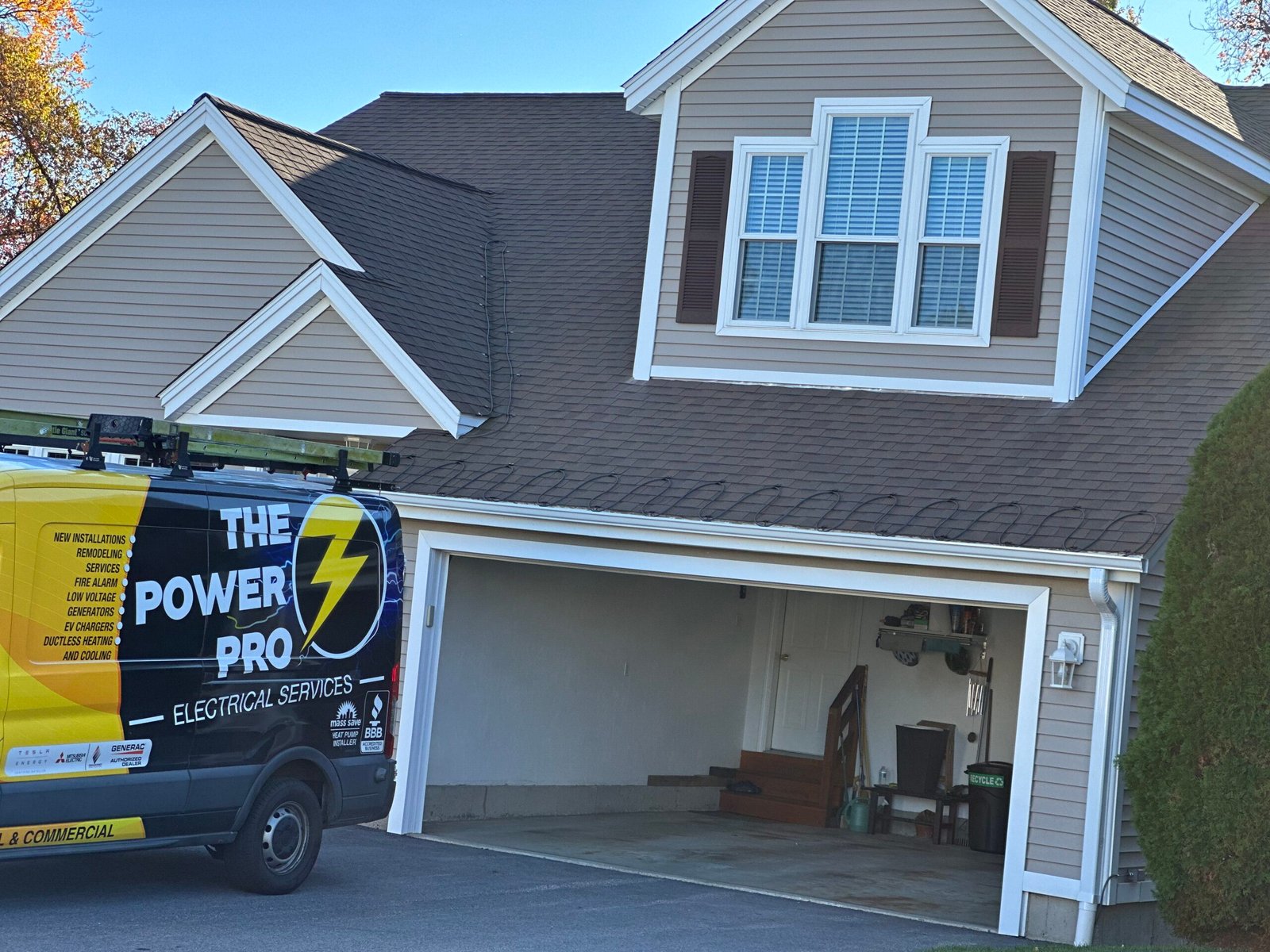
Massachusetts winters can bring snow, freezing temperatures, repeated freeze-thaw cycles, and ice buildup along roof edges and gutters.
For some homes, these conditions can lead to recurring problems with frozen drainage paths and ice accumulation near the roofline.
A professional Roof Heating Cable Installation in Massachusetts can help manage these vulnerable areas by providing controlled heat where melting water is most likely to refreeze.
Roof heating cables are not designed to melt all the snow from a roof. Their purpose is much more specific: helping maintain pathways for melting water so it can continue moving through critical roof and gutter areas during freezing conditions.
For homeowners who experience recurring winter ice problems, planning the installation before severe cold arrives can make a significant difference.
What Are Roof Heating Cables?
Roof heating cables are electrical heating cables designed for installation on specific areas of roofs and drainage systems.
Depending on the product and the property, they may be installed along:
- roof edges;
- eaves;
- gutters;
- downspouts;
- valleys;
- other areas where snowmelt commonly refreezes.
These systems may also be called roof heat cables, de-icing cables, or roof and gutter heating cables.
Their role is not to create a snow-free roof.
Instead, the heating cable helps provide controlled warmth along selected paths so melting water has a better chance of reaching the drainage system instead of freezing at a critical point.
Why Ice Forms Along the Roofline
Ice buildup often develops because different parts of a roof can have different temperatures.
Snow higher on the roof may begin to melt. As that water travels toward a colder roof edge, gutter, or overhang, it may freeze again.
When this process happens repeatedly, ice can continue accumulating.
Over time, this can interfere with normal drainage and contribute to the formation of ice dams.
The problem is not simply the presence of snow.
It is the combination of melting, movement, colder surfaces, and refreezing.
What Is an Ice Dam?
An ice dam is a buildup of ice near the lower edge of a roof that can prevent melting water from draining normally.
Water can collect behind that ice instead of flowing freely away from the roof.
This is one reason homeowners may notice recurring ice formation in the same roof areas each winter.
Common locations include:
- eaves;
- gutters;
- valleys;
- lower roof sections;
- areas around roof transitions.
Roof heating cables can help create drainage channels through some of these vulnerable areas.
However, they should be viewed as part of a winter-management strategy rather than a universal solution for every roofing problem.
What Roof Heating Cables Actually Do
A common misconception is that heating cables are supposed to melt all the snow from the roof.
That is generally not their purpose.
A properly planned system uses heat in selected areas to help maintain a path for melting water.
This can help reduce localized ice buildup and support drainage during freeze-thaw conditions.
The system may help:
- keep critical meltwater pathways open;
- reduce refreezing near roof edges;
- support drainage through gutters;
- manage recurring ice buildup in targeted locations.
Proper placement is therefore one of the most important parts of the installation.
Why Cable Placement Matters
Every roof is different.
Roof shape, slope, valleys, gutters, overhangs, drainage patterns, and previous ice problems all influence where heating cable may be useful.
That means roof heating cable installation should not follow exactly the same layout on every home.
An electrician may need to consider:
- where snowmelt naturally travels;
- where ice formed during previous winters;
- gutter locations;
- downspout paths;
- roof valleys;
- areas where drainage becomes restricted.
The objective is to place the cable where controlled heat can serve a specific purpose.
More cable is not automatically better.
The right layout matters more.
Roof Heating Cables and Gutters
Gutters are designed to move water away from the roof.
During freezing weather, however, melting snow may enter the gutter and freeze before it can drain.
Once enough ice accumulates, the gutter can become partially or completely blocked.
Depending on the system design, heating cables may continue through sections of the gutter or drainage path.
This can help maintain a route for water during colder conditions.
Again, the goal is not necessarily to heat the entire gutter.
The goal is to help water continue moving where freezing is most likely to interrupt drainage.
Why This Is an Electrical Project
Although roof heating cables are installed on the roof, they are still electrical equipment.
That means the project involves more than attaching a cable to shingles.
The electrical installation may need to consider:
- circuit requirements;
- available electrical capacity;
- connection points;
- outdoor-rated components;
- controls;
- weather exposure;
- circuit protection;
- manufacturer installation requirements.
The electrical infrastructure supporting the heating system needs to be appropriate for the equipment.
That is why homeowners should treat roof heating cable installation as an electrical project, not simply a roofing accessory.
Electrical Capacity Matters
Heating cables consume electrical power while operating.
The amount of power depends on the specific system, cable length, and equipment design.
Before installation, an electrician may need to determine whether the existing electrical system can support the planned load.
That evaluation may include:
- available circuits;
- breaker configuration;
- electrical capacity;
- cable length;
- location of the power supply;
- required controls.
A larger system may require more electrical planning than a small installation.
If the existing electrical system already has capacity concerns, a broader electrical evaluation may also be appropriate.
When Should Roof Heating Cables Be Installed?
The best time to install roof heating cables is before winter conditions make the roof difficult to access.
Fall gives homeowners an opportunity to review previous winter problems and prepare before snow and ice arrive.
This is especially useful if the property experienced:
- recurring ice along the roof edge;
- frozen gutters;
- large icicles;
- ice accumulation in valleys;
- repeated drainage problems;
- the same freezing areas every winter.
Waiting until heavy ice has already formed can make the installation more difficult.
Winter preparation works best when it happens early.
Signs a Property May Benefit From Roof Heating Cables
Heating cables are not necessary on every home.
However, an evaluation may make sense when the property experiences recurring ice problems.
Possible signs include:
- heavy ice buildup along eaves;
- large icicles forming repeatedly;
- frozen gutters;
- ice in roof valleys;
- water backing up behind ice;
- recurring problems in the same roof sections.
The pattern matters.
A professional evaluation can help determine whether heating cables are appropriate for the specific property.
Roof Heating Cables Are Not a Substitute for Roof Repairs
A heating cable system should not be expected to correct unrelated roofing problems.
It does not replace:
- damaged shingles;
- failed flashing;
- structural repairs;
- clogged gutters;
- damaged drainage systems;
- necessary insulation improvements.
If the roof has another underlying problem, that issue may also need professional attention.
The heating cable should address a specific winter condition rather than hide another maintenance problem.
Insulation and Ventilation Can Also Matter
Recurring ice dams can sometimes be influenced by heat escaping from the building.
When certain roof areas become warmer than others, snow may melt unevenly.
That melting water can then reach colder roof edges and freeze.
For this reason, insulation and ventilation may also be relevant when recurring ice problems are severe.
Roof heating cables can help manage targeted freezing areas, while building-envelope improvements may address other contributing factors.
The correct solution depends on the home.
Proper Installation Protects the Roof and the System
Roof heating cable should be installed using methods appropriate for the roofing material and the specific cable system.
Approved clips and manufacturer-specified routing help keep the cable positioned correctly.
Improvised installation methods can damage roofing materials or the cable itself.
A professional installation should consider:
- cable spacing;
- mounting method;
- cable routing;
- roof material;
- electrical connections;
- manufacturer instructions.
The heating cable should work with the roof, not create another problem.
Controls and Operation
Different roof heating systems can use different control methods.
Some systems may be manually controlled.
Others may use temperature-based or moisture-sensitive controls.
The correct operating method depends on the equipment being installed.
Homeowners should understand when the system is intended to run and how it should be controlled.
Roof heating cables generally should not simply operate continuously without regard to weather conditions or manufacturer recommendations.
Does Roof Heating Cable Stay Installed Year-Round?
Many systems are designed to remain physically installed throughout the year.
That does not necessarily mean they should remain energized year-round.
The operating schedule should follow the equipment manufacturer’s instructions.
Before each winter season, homeowners should visually inspect accessible sections of the system for damage or displacement.
Roof Heating Cable Maintenance
Heating cables are relatively simple systems, but they still deserve seasonal attention.
Before winter, look for:
- damaged cable;
- missing or loose clips;
- displaced cable sections;
- debris accumulation;
- damaged connections;
- blocked gutters.
If the cable appears damaged, it should be evaluated before use.
Electrical heating products should not be repaired with improvised materials or temporary fixes.
Why Fall Is the Best Time to Prepare
Winter electrical work is easier to plan when the weather is still manageable.
Preparing in fall allows homeowners to:
- inspect the roof;
- identify recurring ice areas;
- review electrical access;
- install cables before snow arrives;
- test the system;
- address gutter or drainage issues.
Once freezing conditions arrive, roof access becomes more difficult and safety becomes an even greater concern.
Preparation before winter is therefore both practical and preventative.
Massachusetts Homes and Winter Electrical Planning
Massachusetts homeowners deal with conditions that can change quickly throughout the winter.
A roof may experience snowfall, sunshine, melting, freezing, and another snowfall within a relatively short period.
These repeated cycles can create ideal conditions for ice buildup.
Homes with complicated rooflines, valleys, gutters, additions, or shaded sections may experience different freezing patterns across the property.
That is why the system should be planned around the actual house rather than copied from another installation.
Professional Roof Heating Cable Installation in Massachusetts
A roof heating cable system combines electrical planning, weather exposure, roof layout, and winter drainage.
A successful installation should consider all of them.
The Power Pro Electrical Services provides professional Roof Heating Cable Installation in Massachusetts for homeowners who want to prepare their properties for winter and address recurring ice buildup in targeted roof areas.
Our team evaluates the electrical requirements, cable routing, installation location, and property conditions before completing the system.
If your home has experienced recurring ice buildup or frozen roof drainage during Massachusetts winters, contact The Power Pro Electrical Services to discuss whether roof heating cables may be appropriate for your property.
Frequently Asked Questions
Do roof heating cables melt all the snow from the roof?
No. Their main purpose is usually to create heated pathways where melting water needs to move through areas that are prone to refreezing.
Do roof heating cables prevent all ice dams?
No system can guarantee that every ice condition will be eliminated. Heating cables can help reduce ice buildup and maintain drainage pathways in targeted areas.
Where are roof heating cables installed?
They may be installed along roof edges, gutters, valleys, downspouts, or other areas where meltwater commonly freezes.
Do roof heating cables use a lot of electricity?
Electrical consumption depends on the cable system, length, operating time, and manufacturer specifications.
Do heating cables need their own electrical circuit?
That depends on the system’s electrical requirements and the existing infrastructure. An electrician should evaluate the planned installation.
When should roof heating cables be installed?
Installation is best planned before significant snow and freezing temperatures arrive.
Can roof heating cables stay installed during summer?
Many systems can remain physically installed throughout the year. Operation should follow manufacturer instructions.
Are roof heating cables safe for shingles?
Systems designed for roof applications can be installed safely when the correct cable, clips, spacing, and installation methods are used.
Can heating cables be installed inside gutters?
Some approved systems are designed to continue through gutters and drainage paths. The manufacturer’s application requirements must be followed.
Should homeowners install roof heating cables themselves?
Professional installation is recommended because the project involves electricity, outdoor exposure, roof access, circuit requirements, and manufacturer-specific installation procedures.