
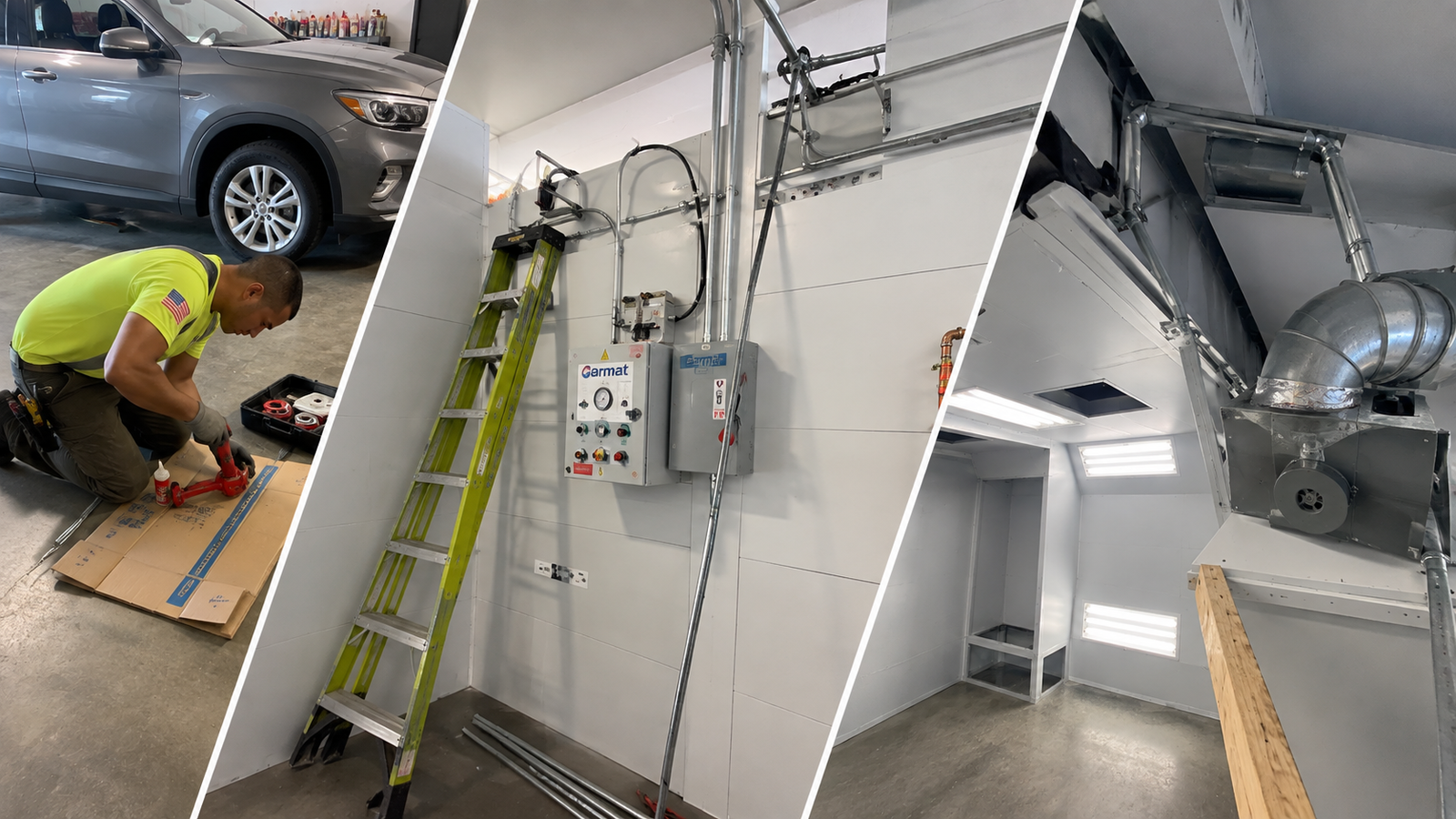
Commercial equipment depends on more than the equipment itself.
Behind every system that operates safely and consistently, there is electrical planning, proper wiring, organized conduit, disconnect equipment, labeling, and professional installation.
For businesses, a new piece of equipment can affect the entire electrical setup of the property. That is why Commercial Equipment Electrical Installation in Massachusetts should always begin with a clear evaluation of the equipment requirements, the existing electrical system, and the way the business will use the system every day.
The Power Pro Electrical Services provides professional commercial electrical services in Massachusetts for businesses that need safe, organized, and reliable electrical support for specialized equipment.
What Is Commercial Equipment Electrical Installation?
Commercial equipment electrical installation is the process of preparing and connecting the electrical infrastructure needed to support equipment used in a business or commercial property.
This may involve:
- wiring;
- conduit installation;
- disconnect equipment;
- control wiring;
- equipment connections;
- panel coordination;
- circuit planning;
- grounding and bonding;
- labeling;
- final testing;
- service access planning.
The goal is not only to bring power to the equipment.
The goal is to make sure the electrical setup supports safe operation, reliable performance, and long-term serviceability.
Why Commercial Equipment Needs Professional Electrical Support
Commercial equipment often has specific electrical requirements.
Some systems may require dedicated circuits, disconnects, control wiring, conduit pathways, or coordination with existing panels and service equipment.
If the electrical work is not planned correctly, the equipment may not operate as intended. The property may also face issues such as poor performance, difficult troubleshooting, limited service access, or safety concerns.
Professional electrical support helps make sure the installation is built around the actual needs of the equipment and the property.
That matters because commercial systems are used differently from basic residential equipment.
They often operate for longer periods, support business functions, and need to perform consistently.
Planning Comes Before Installation
Every commercial equipment installation should begin with planning.
Before wiring is installed or connections are made, the electrician should review the equipment, the location, the existing electrical system, and the access needed for future service.
Important planning questions may include:
- What are the equipment’s electrical requirements?
- Does the property have the capacity to support it?
- Where should the conduit be routed?
- Where should the disconnect be installed?
- How will the system be accessed for maintenance?
- Does the panel need additional work?
- What labeling will be needed?
- How will the system be tested before use?
When these details are reviewed early, the project can move forward with more clarity.
Good planning also helps reduce delays, avoid unnecessary corrections, and support a safer final installation.
Conduit and Wiring Pathways
Conduit and wiring pathways are a major part of commercial equipment installation.
The wiring must be routed in a way that protects the conductors, supports the equipment, and keeps the system accessible for future work.
Conduit installation may look simple from the outside, but it requires careful planning.
The electrician needs to consider distance, access, equipment location, wall or ceiling conditions, connection points, and the overall layout of the space.
A well-planned conduit pathway helps create a cleaner and more serviceable electrical system.
It also makes future maintenance and troubleshooting easier.
Disconnect Equipment and Safety
Many commercial equipment installations require disconnect equipment.
A disconnect provides a way to shut off power to the equipment when service, maintenance, or emergency access is needed.
The location and installation of disconnect equipment should be planned carefully.
It needs to be accessible, properly connected, and appropriate for the equipment being served.
This is one reason commercial equipment electrical work should not be treated as a simple connection.
The system needs to be built with safety and serviceability in mind.
Control Wiring and Equipment Integration
Some commercial systems require more than power wiring.
They may also involve control wiring, communication between components, switches, labels, or coordination with equipment controls.
This type of work requires accuracy.
Every wire, control point, and connection needs to be placed and identified correctly so the equipment can operate as intended.
Control wiring also needs to be organized in a way that makes sense for future service.
When a system is difficult to understand, troubleshooting becomes harder.
A cleaner installation helps protect the business from unnecessary confusion later.
Labeling and Final Details
The final details matter in commercial equipment electrical installation.
Labeling, equipment checks, wire organization, and clean finishing are not small steps. They help make the system easier to understand, inspect, maintain, and service over time.
A properly labeled system can help future electricians, service technicians, and property managers identify circuits and equipment more clearly.
This becomes especially important in commercial environments where downtime can affect business operations.
Professional electrical work is not finished until the details are done correctly.
Electrical Support for Specialized Commercial Systems
Many businesses use specialized equipment that requires careful electrical support.
This can include systems used in automotive spaces, workshops, warehouses, service businesses, manufacturing environments, food service areas, medical spaces, offices, retail locations, and other commercial properties.
Each type of equipment may have different requirements.
That is why the electrician should not approach every project the same way.
The installation needs to be based on the equipment, the property, the electrical demand, and the way the system will be used.
Why Existing Electrical Conditions Matter
Before installing new commercial equipment, the existing electrical system should be evaluated.
Older panels, limited capacity, unclear circuits, poor organization, or previous modifications can affect the project.
The electrician may need to review:
- panel condition;
- circuit availability;
- wiring condition;
- service capacity;
- grounding and bonding;
- existing conduit;
- equipment location;
- access for installation;
- signs of previous electrical issues.
This evaluation helps determine whether the system is ready or whether improvements are needed before the equipment is connected.
A commercial installation should not be built on assumptions.
It should be built on a clear understanding of the electrical system.
Commercial Electrical Work and Long-Term Reliability
Reliable performance depends on the electrical foundation behind the equipment.
Even high-quality equipment can have problems if the wiring, conduit, disconnects, controls, or panel coordination are not done properly.
Professional electrical installation helps support:
- safer operation;
- better organization;
- easier maintenance;
- clearer troubleshooting;
- consistent performance;
- long-term reliability;
- better access for future service.
For businesses, this matters because electrical issues can affect productivity, customer experience, employee safety, and daily operations.
A reliable system starts with professional planning and execution.
Commercial Equipment Installation for Growing Businesses
As businesses grow, their electrical needs often change.
A property may need new equipment, additional circuits, upgraded panels, improved lighting, HVAC support, exterior equipment, automated systems, or specialized installations.
Before adding equipment, the electrical system should be reviewed to make sure it can support the new demand.
This helps the business plan upgrades more effectively.
It also helps avoid problems that may appear after the equipment is already installed.
A professional electrician can help determine what needs to happen before the system is put into daily use.
Signs Your Business May Need Electrical Evaluation
A business may need professional electrical evaluation before adding equipment if there are signs such as:
- frequent breaker trips;
- outdated panels;
- limited panel space;
- overloaded circuits;
- equipment that does not operate consistently;
- flickering lights;
- warm outlets or switches;
- unclear wiring;
- previous electrical modifications;
- plans to add high-demand equipment;
- renovation or expansion plans.
These signs do not always mean a major upgrade is required.
However, they should be reviewed before new equipment is added to the property.
Why Professional Execution Matters
Commercial equipment electrical installation requires more than speed.
It requires accuracy, responsibility, and attention to the full system.
Professional execution includes:
- understanding the equipment;
- planning the wiring path;
- installing conduit correctly;
- preparing disconnects;
- organizing connections;
- labeling the system;
- coordinating with the existing electrical setup;
- checking the final details.
When the work is done correctly, the system is safer, easier to manage, and better prepared for long-term use.
This is the difference between equipment that is simply connected and equipment that is properly supported.
Commercial Equipment Electrical Installation in Massachusetts
Commercial properties in Massachusetts have different electrical needs depending on the type of business, the age of the building, the equipment being installed, and the condition of the existing electrical system.
That is why commercial equipment installation should always be handled with proper planning and professional electrical support.
The Power Pro Electrical Services provides Commercial Equipment Electrical Installation in Massachusetts for businesses that need safe wiring, conduit installation, disconnect equipment, control wiring, labeling, panel coordination, and reliable system support.
Our team focuses on careful planning, organized execution, and electrical work designed to support safe and dependable operation.
If your business is adding new equipment or preparing a specialized commercial system, contact The Power Pro Electrical Services to discuss your project.
Frequently Asked Questions
What is commercial equipment electrical installation?
Commercial equipment electrical installation is the process of preparing and connecting the electrical infrastructure needed to support equipment used in a commercial property.
Why does commercial equipment need professional electrical support?
Commercial equipment may require dedicated wiring, conduit, disconnects, controls, panel coordination, and proper testing. Professional electrical support helps the system operate safely and reliably.
What should be evaluated before installing commercial equipment?
An electrician should review the equipment requirements, panel capacity, wiring paths, service conditions, disconnect needs, access points, and existing electrical infrastructure.
Does every commercial equipment installation require a panel upgrade?
No. Some projects can be supported by the existing system, while others may require panel work, new circuits, or additional electrical upgrades.
Why is labeling important in commercial electrical work?
Labeling helps make the system easier to identify, maintain, troubleshoot, and service in the future.
Why are conduit pathways important?
Conduit protects wiring and helps organize the electrical system. Proper conduit routing also supports future access and long-term serviceability.
Who should install electrical support for commercial equipment?
A qualified electrician should install electrical support for commercial equipment because the work involves safety, code compliance, wiring, disconnects, panels, and system reliability.