
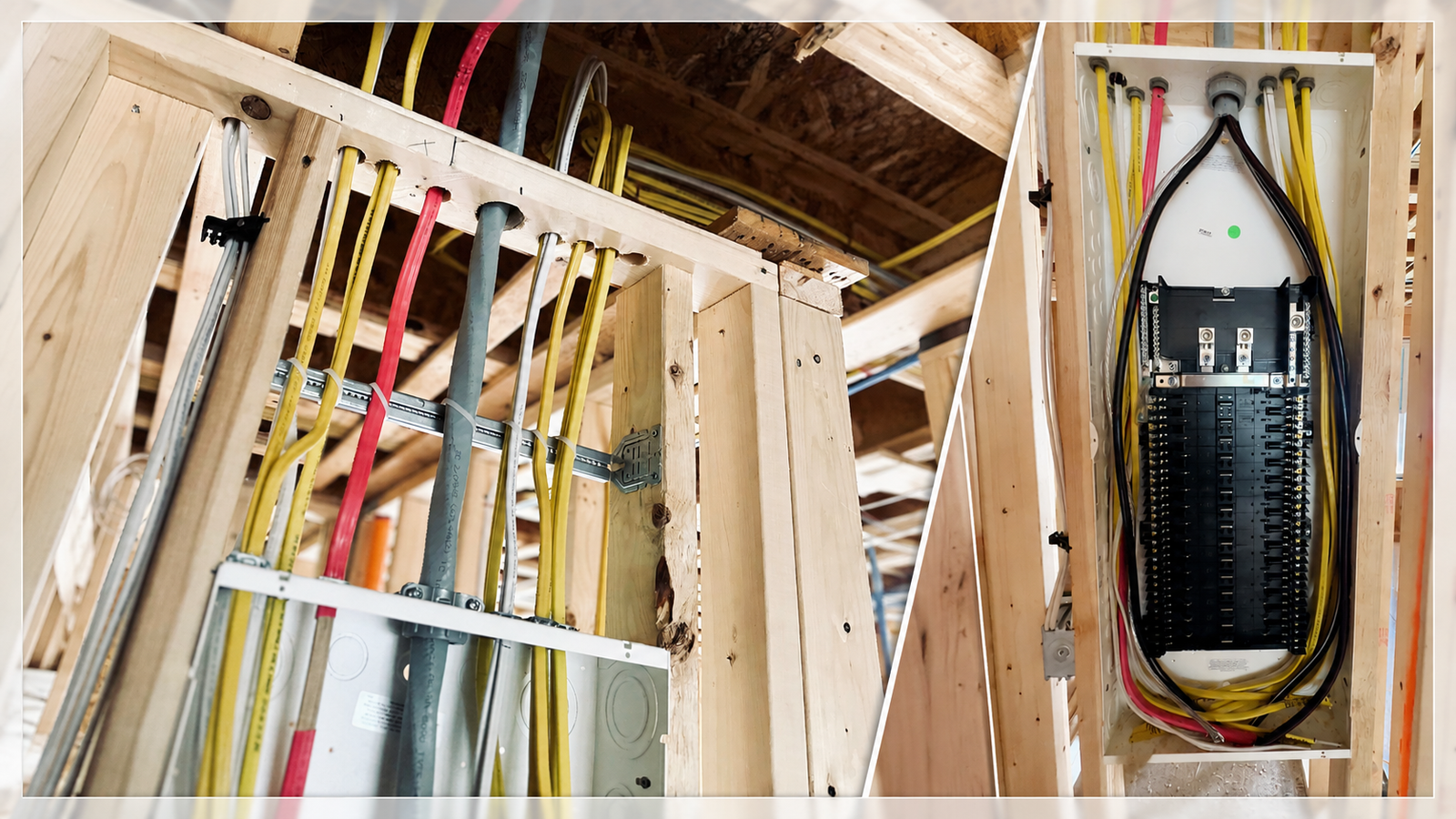
Before adding new equipment to your home, your electrical system needs to be ready.
Mini splits, EV chargers, new lighting, appliances, additions, finished basements, smart devices, and other home upgrades can all increase the demand on your electrical system.
That is why a professional Electrical System Evaluation in Massachusetts is an important first step before starting a larger electrical project.
A home upgrade should not begin with assumptions. It should begin with understanding what the system can safely support, what may need to be adjusted, and how the work should be planned.
The Power Pro Electrical Services provides professional electrical services in Massachusetts for homeowners who need safe, organized, and reliable electrical work.
Why Electrical System Evaluation Matters
Many homeowners plan upgrades based on the equipment they want to install.
They may choose a mini split, an EV charger, new recessed lighting, a larger appliance, or a home renovation before knowing whether the current electrical system can support the added demand.
However, the electrical system behind the project is just as important as the equipment itself.
A professional evaluation helps identify:
- panel capacity;
- wiring condition;
- circuit availability;
- equipment requirements;
- breaker space;
- load demand;
- safety concerns;
- grounding and bonding conditions;
- access points;
- future upgrade needs.
When these details are reviewed before installation, the project can be planned more safely and efficiently.
Your Electrical Panel Is the Starting Point
The electrical panel is the center of the home’s electrical system.
It distributes power to the circuits that support lighting, outlets, appliances, comfort systems, and everyday electrical use.
Before adding new equipment, the panel should be evaluated to determine whether it can support the additional load.
An electrician may review the panel’s condition, available space, breaker layout, circuit organization, age, and overall capacity.
This does not always mean the panel needs to be replaced. In some cases, targeted corrections or additional planning may be enough.
In other cases, a panel upgrade may be the safest and most practical solution.
Before Installing a Mini Split
Mini split systems require proper electrical support.
Before installation, the electrical system should be checked to confirm that the equipment can be connected safely and correctly.
This may include reviewing:
- circuit requirements;
- panel capacity;
- disconnect placement;
- wiring path;
- breaker space;
- equipment location;
- final connection needs.
A mini split can improve comfort and efficiency, but the electrical work behind it must be properly planned.
When the electrical side is not evaluated first, the project may face delays, added costs, or performance issues.
Before Installing an EV Charger
An EV charger can add significant demand to a home’s electrical system.
Before installing one, a qualified electrician should evaluate whether the home has the capacity and infrastructure needed to support daily charging.
This evaluation may include checking the panel, service size, wiring route, charger location, and load requirements.
A professional evaluation helps determine whether the installation can move forward as planned or whether adjustments are needed first.
Convenient charging starts with a safe electrical foundation.
Before Adding New Lighting
Lighting upgrades may seem simple, but they still depend on proper wiring, box placement, circuit planning, switch control, and fixture support.
This is especially important when adding recessed lighting, bathroom lighting, pendant lights, exterior lighting, or new fixtures in a renovated space.
A professional electrical evaluation can help determine:
- whether existing wiring is in good condition;
- whether new circuits are needed;
- where fixtures should be placed;
- whether dimmers or controls are compatible;
- whether electrical boxes can support the fixtures.
Good lighting does more than brighten a space. It should be installed safely and designed around how the room will be used.
Before a Renovation or Addition
Renovations and additions often change how a home uses power.
A room that once had limited electrical demand may need new outlets, lighting, HVAC support, appliances, or dedicated circuits after the renovation.
Before walls are closed or finishes are installed, the electrical system should be reviewed and planned carefully.
This is the best time to evaluate:
- outlet placement;
- switch locations;
- lighting layout;
- circuit needs;
- panel capacity;
- wiring paths;
- equipment requirements;
- future access.
Planning early helps avoid expensive corrections later.
Once the walls are finished, changes can become more difficult and more disruptive.
Signs Your Electrical System May Need Attention
Some signs may indicate that your electrical system should be evaluated before any new upgrade is added.
These signs include:
- frequent breaker trips;
- flickering lights;
- warm outlets or switches;
- burning smells;
- outdated panels;
- limited breaker space;
- overloaded outlets;
- old or disorganized wiring;
- buzzing sounds;
- equipment that struggles to run properly;
- electrical issues after adding new devices.
These issues should not be ignored.
They do not always mean a major upgrade is required, but they do mean the system should be checked by a professional.
Why Older Homes Need Extra Attention
Many Massachusetts homes were built before today’s electrical demands became common.
Older homes may have panels, wiring, circuits, or layouts that were not designed for modern equipment.
Today’s homeowners often use more electrical devices and systems than previous generations, including home offices, large appliances, smart home technology, HVAC upgrades, EV chargers, security cameras, and comfort systems.
Because of this, older homes should be evaluated carefully before new equipment is installed.
The goal is not only to make the new equipment work.
The goal is to make sure the electrical system can support it safely.
Electrical Evaluation Is Not the Same as Guesswork
A professional electrical evaluation is not about guessing whether the system can handle more demand.
It involves reviewing the actual condition of the system, the equipment being added, and the way the home is used.
A qualified electrician can look at the full picture and determine what needs to happen before the project moves forward.
This may include:
- using existing capacity properly;
- adding a dedicated circuit;
- correcting unsafe wiring;
- organizing the panel;
- upgrading the panel;
- improving access;
- preparing for future electrical needs.
Every home is different.
That is why the right solution should be based on the property’s actual electrical system.
Planning Helps Prevent Future Problems
Many electrical problems happen when new equipment is added without fully understanding the existing system.
Poor planning can lead to overloaded circuits, tripping breakers, unreliable performance, difficult troubleshooting, unsafe wiring conditions, or expensive corrections later.
A professional evaluation helps prevent these issues by identifying what is needed before the installation begins.
When the system is evaluated first, the upgrade can be planned with safety, reliability, and long-term use in mind.
What Happens During an Electrical System Evaluation?
During an electrical system evaluation, an electrician may inspect the panel, wiring, circuits, equipment requirements, and installation conditions.
The process may include checking:
- panel condition;
- available breaker space;
- circuit organization;
- wiring condition;
- signs of overheating;
- grounding and bonding;
- equipment load requirements;
- access for installation;
- safety concerns;
- future upgrade plans.
The electrician can then explain whether the system is ready, whether corrections are needed, or whether a larger upgrade should be considered.
Does Every Evaluation Lead to an Upgrade?
No. Not every electrical evaluation results in a major upgrade.
Sometimes the system is ready for the planned installation. Other times, small corrections or adjustments may be needed.
In some cases, a panel upgrade or additional electrical work may be recommended.
The purpose of an evaluation is not to replace equipment unnecessarily.
The purpose is to understand the system and make the right decision before the work begins.
Electrical System Evaluation in Massachusetts
If you are planning to add a mini split, EV charger, new lighting, appliances, a renovation, an addition, or any other electrical upgrade, the first step should be a professional evaluation.
An electrical system evaluation helps determine whether your home is ready for the added demand and how the project should be planned.
The Power Pro Electrical Services provides Electrical System Evaluation in Massachusetts for homeowners who want safe, reliable, and well-planned electrical work.
Our team evaluates the condition of the system, reviews the needs of the project, and helps prepare the right electrical foundation before the installation begins.
Contact The Power Pro Electrical Services to schedule an electrical evaluation for your Massachusetts home.
Frequently Asked Questions
What is an electrical system evaluation?
An electrical system evaluation is a professional review of your home’s electrical panel, wiring, circuits, capacity, and overall readiness for current or future electrical needs.
When should I schedule an electrical evaluation?
You should schedule an evaluation before installing a mini split, EV charger, new lighting, large appliance, generator, addition, renovation, or any upgrade that may increase electrical demand.
Does an electrical evaluation mean I need a panel upgrade?
Not always. Some homes may only need minor corrections or a dedicated circuit. Others may require a panel upgrade depending on the condition and capacity of the system.
Why should my panel be checked before adding new equipment?
The panel distributes power throughout the home. If it does not have enough capacity, space, or organization, it may not support new equipment safely.
Can an older home support modern electrical upgrades?
Some older homes can support upgrades, while others may need electrical improvements first. A professional evaluation helps determine what is needed.
What are signs that my electrical system needs attention?
Flickering lights, frequent breaker trips, burning smells, warm outlets, outdated panels, overloaded circuits, and limited breaker space are all signs that the system should be checked.
Who should perform an electrical system evaluation?
A qualified electrician should perform the evaluation because they can identify safety concerns, load requirements, wiring issues, panel limitations, and proper upgrade options.