
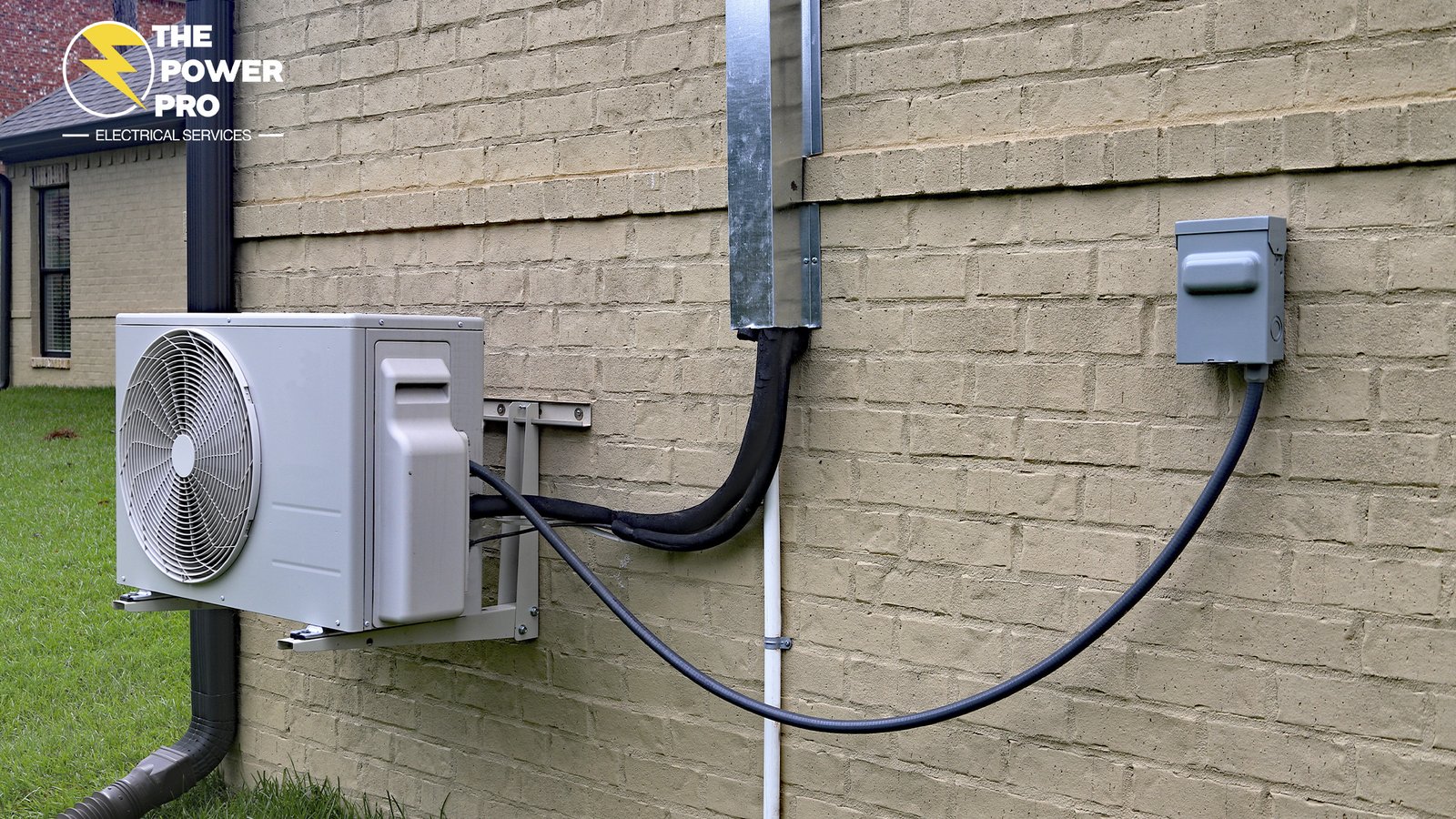
Mini Splits in Winter: Thermal Efficiency and Cost Reduction in Chelmsford. The residential heating landscape in Massachusetts is undergoing a significant transformation. Historically, homes in towns like Chelmsford, Westford, and Billerica have relied on fossil fuel-based systems—oil and natural gas—to combat the rigorous New England temperatures. However, the volatility of fuel prices and the evolution of climate control technology have brought to light a superior alternative in terms of efficiency: the mini split system.
Although widely recognized for their cooling capabilities in the summer, modern ductless heat pump systems are, technically, complete year-round climate control solutions. The perception that these units are “just air conditioners” is an outdated view that ignores advancements in thermal engineering specifically designed for cold climates.
This article analyzes how implementing mini splits acts to reduce operational heating costs and why this technology has become the preferred choice for residential infrastructure modernization in Middlesex County.
The Mechanics of Efficiency: Heat Transfer vs. Heat Generation
To understand the savings generated by a mini split, it is necessary to analyze the basic thermodynamics of the equipment compared to traditional systems. Furnaces and boilers operate on the principle of heat generation: they burn fuel to create thermal energy. Even the most efficient gas models reach, at best, an efficiency near 98%. In other words, for every unit of fuel paid for, you get less than one unit of heat.
Mini split systems operate on the principle of heat transfer. Instead of generating heat by burning resources, they move existing heat from the outdoor environment into the home’s interior.
Thanks to Inverter technology and variable-speed compressors, the system modulates its operation to maintain precise temperatures, avoiding the energy spikes of the “on-off” cycle found in conventional systems. The result is a Coefficient of Performance (COP) that frequently exceeds 3.0. Practically speaking, this means that for every 1 kWh of electricity consumed, the system delivers 3 kWh of heat to the room. This is a mathematical efficiency impossible to achieve with electric baseboard heaters or fuel combustion.
Performance in Low Temperatures (Cold Climate Technology)
A common technical inquiry among Massachusetts homeowners concerns the operational capacity of these systems during blizzards or extreme cold snaps. The technology has evolved drastically over the last decade.
Current models, classified as Cold Climate Air Source Heat Pumps, utilize flash injection in the compression cycle. This allows the mini split to maintain 100% of its heating capacity even when thermometers read 5°F (-15°C) and continue operating efficiently in temperatures as low as -13°F (-25°C). Therefore, concerns regarding freezing or system inefficiency during the local winter are mitigated by correct equipment specification during the design phase.
Thermal Zoning: The End of Energy Waste
Beyond mechanical efficiency, the mini split introduces a logistical advantage: zoning. Central forced-air systems or steam radiators heat the entire residence indiscriminately. Frequently, homeowners spend resources heating guest rooms, unused home offices, or empty basements just to ensure comfort in the living room.
The installation of evaporator units (indoor “heads”) in strategic rooms allows for granular temperature control.
- Individual Control: Each zone possesses its own thermostat.
- Load Reduction: It is possible to maintain living areas at 70°F while unoccupied rooms remain at 60°F.
- Adaptation: The system adjusts the energy consumption of the outdoor compressor to meet only the demand of the active units.
This ability to direct heat strictly where it is needed results in an immediate reduction in the home’s global energy consumption.
Financial Impact and Mass Save Incentives
The transition to efficient electric heating is not just an engineering matter, but one of economic viability. In Massachusetts, the Mass Save program offers substantial incentives to encourage the adoption of heat pumps, aiming for state decarbonization.
Homeowners in Chelmsford and the surrounding region may be eligible for significant rebates when installing mini split systems that meet energy efficiency criteria. These incentives can offset thousands of dollars from the initial installation cost, drastically accelerating the Return on Investment (ROI).
Additionally, by reducing dependence on oil and propane, the homeowner protects their household budget from the unpredictable fluctuations of the global fuel market. Electricity, while having its costs, presents greater price stability and, when combined with mini split efficiency, results in predictable and lower monthly bills.
Integration with Existing Systems
It is important to note that installing a mini split does not necessarily require the removal of the old heating system. Many projects in Colonial or Cape-style homes in the region adopt a hybrid approach. The mini split acts as the primary heat source during most of the fall and winter, covering about 80% to 90% of thermal needs. The legacy system (oil or gas) remains as an auxiliary backup for those extremely rare days of absolute polar cold.
This configuration, known as Dual Fuel, maximizes savings without sacrificing the psychological security of having a secondary heat source.
Winter Maintenance: Ensuring Performance
For theoretical efficiency to translate into real savings on the electric bill, preventive maintenance is indispensable. The operation of the mini split in heating mode requires unobstructed airflow at the outdoor unit.
During snowy months, it is recommended to:
- Elevate the Unit: Install the outdoor condenser on elevated stands or wall brackets, positioned above the region’s average snow accumulation line.
- Clear Obstructions: Ensure that snow and ice do not block the heat exchange fins.
- Clean Filters: Indoor units filter air continuously. Dirty filters restrict flow, forcing the compressor to work harder and consume more energy.
- Conclusion: An Investment in Comfort and Value
The adoption of mini split systems in Massachusetts represents a smart infrastructure upgrade. More than just comfort equipment, it is an energy management tool that offers precise control, operational silence, and reduced recurring costs.
For residences that still rely on inefficient systems or suffer from irregular hot and cold spots, ductless technology offers the definitive technical solution, aligned with modern demands for sustainability and economy. Winter in New England is inevitable, but the high cost of facing it is optional.
Interested in reducing your heating costs? Correct technical specification is crucial to ensure system efficiency. The team at The Power Pro Electrical Services specializes in sizing and installing high-performance mini split systems in Chelmsford and the surrounding area. Contact us to schedule a technical evaluation of your residence.