
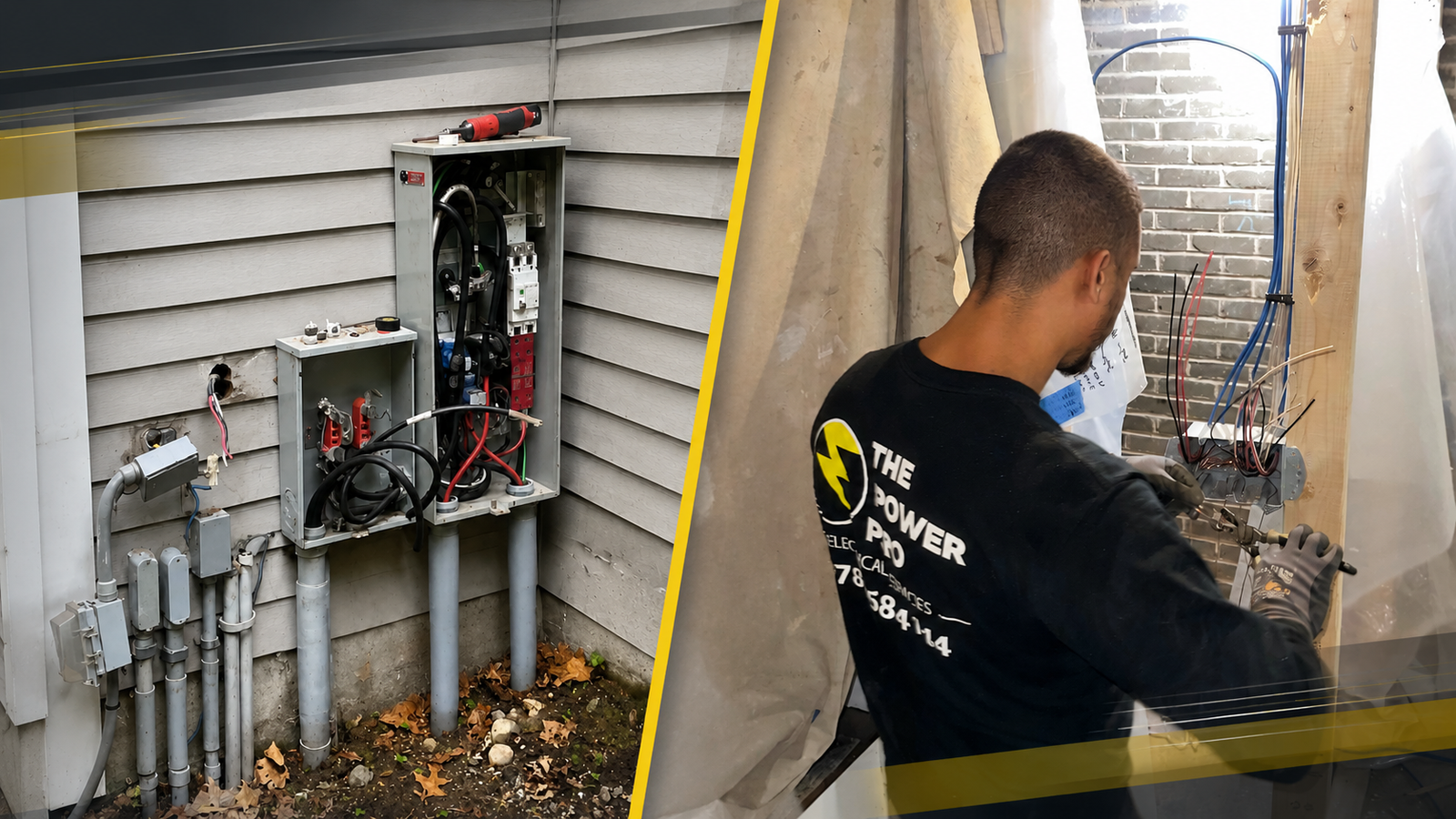
Professional electrical work is not only about making something turn on.
It is about understanding the full system, making safe decisions, installing every component correctly, and building an electrical setup that can support the property over time.
For homeowners, builders, and businesses, hiring a qualified electrician is one of the most important steps in any electrical project. Whether the work involves wiring, panel upgrades, lighting, outlets, exterior equipment, EV chargers, mini splits, smart panels, or system evaluation, the quality of the installation affects safety, performance, and long-term reliability.
That is why Professional Electrical Work in Massachusetts should always begin with careful evaluation, clear planning, and responsible execution.
The Power Pro Electrical Services provides professional electrical services in Massachusetts for residential and commercial projects that require safe, organized, and reliable electrical work.
What Professional Electrical Work Really Means
Professional electrical work goes beyond installing wires, breakers, boxes, or fixtures.
It means the electrician understands how each part of the system connects to the rest of the property.
A professional electrician considers:
- the condition of the existing electrical system;
- the electrical demand of the property;
- wiring routes;
- panel capacity;
- circuit protection;
- equipment requirements;
- code compliance;
- future access;
- safety;
- long-term serviceability.
Every connection has a purpose.
When the work is done correctly, the system is easier to use, easier to maintain, and better prepared to support the property’s electrical needs.
Why Experience Matters in Electrical Work
Electrical systems can be simple on the surface and complex behind the walls.
A light switch, outlet, panel, or fixture may look straightforward. However, the wiring, load, circuit design, grounding, box placement, and equipment behind that visible point all matter.
Experienced electricians know what to look for before making changes.
They can identify issues such as outdated wiring, overloaded circuits, poor organization, unsafe connections, limited panel space, or equipment that needs dedicated electrical support.
This level of experience is important because electrical problems are not always obvious.
A system may appear functional while still needing professional attention.
Planning Comes Before Installation
A strong electrical project starts with planning.
Before installation begins, the electrician should understand what the property needs and how the work will affect the full system.
This may include reviewing:
- panel condition;
- available capacity;
- wiring paths;
- equipment location;
- switch and outlet placement;
- access points;
- future upgrades;
- inspection requirements.
Good planning helps reduce unnecessary corrections later.
It also helps make the installation safer, cleaner, and more reliable from the beginning.
For renovations, additions, and construction projects, planning is especially important because many decisions must be made before walls, ceilings, or finishes are complete.
Professional Wiring and Connection Work
Wiring is one of the most important parts of any electrical system.
Even when the finished result looks clean, the performance of the system depends on the quality of the work behind it.
Professional wiring should be routed, supported, protected, and connected correctly.
This matters for:
- outlets;
- switches;
- lighting;
- appliances;
- HVAC equipment;
- mini splits;
- EV chargers;
- exterior electrical equipment;
- panels;
- smart systems;
- commercial equipment.
Poor wiring can create safety concerns, unreliable performance, difficult troubleshooting, and future repair problems.
That is why each wire, box, and connection point should be handled with care.
Electrical Panel Work
The electrical panel is the central point of power distribution for the property.
A panel that is outdated, disorganized, overloaded, or difficult to access can affect the entire electrical system.
Professional panel work may include:
- panel evaluation;
- breaker replacement;
- circuit organization;
- panel upgrades;
- labeling;
- capacity review;
- grounding and bonding checks;
- preparation for new equipment;
- service coordination.
A panel should be more than installed.
It should be organized, accessible, and appropriate for the property’s electrical demand.
If a homeowner is planning to add a mini split, EV charger, backup generator, new lighting, or major appliance, the panel should be reviewed before the project moves forward.
Electrical Work for Renovations and Construction
Renovation and construction projects require strong electrical planning from the beginning.
During the rough-in stage, the electrical system is installed before walls and ceilings are closed. This is when wiring, boxes, conduit, switches, outlets, lighting points, and equipment connections are prepared.
This stage affects how the finished space will function.
A professional electrician considers how the room will be used, where power is needed, how lighting should work, and what circuits will support the space.
Once the walls are closed, changes become more difficult and more expensive.
That is why professional electrical work during construction or renovation protects the project long after the visible work is finished.
Lighting Installation and Fixture Work
Lighting changes the way a space feels and functions.
A professional light fixture installation should include more than connecting a fixture.
It should account for placement, secure mounting, safe wiring, switch control, dimmer compatibility, visual alignment, and final testing.
This applies to:
- recessed lighting;
- pendant lights;
- bathroom fixtures;
- hallway lighting;
- kitchen lighting;
- exterior lighting;
- ceiling fixtures;
- vanity lights.
Good lighting work helps the finished space feel complete.
It also helps make daily use more comfortable, practical, and reliable.
Electrical Support for Mini Splits and HVAC
Mini splits and HVAC systems depend on proper electrical support.
Before equipment is installed, the electrician should confirm whether the panel, circuit, wiring, and disconnect setup can support the system safely.
Electrical work for mini splits and HVAC equipment may include:
- dedicated circuits;
- wiring;
- disconnect installation;
- breaker installation;
- panel coordination;
- final connection;
- testing.
The equipment itself matters, but the electrical work behind it is what helps the system operate reliably.
A properly supported comfort system is better prepared for everyday use.
EV Charger Installation and Electrical Readiness
EV chargers can add significant electrical demand to a property.
Before installing an EV charger, the existing electrical system should be evaluated to confirm whether it can support the new load.
A professional electrician may review:
- panel capacity;
- available breaker space;
- wiring path;
- charger location;
- circuit requirements;
- grounding;
- installation conditions.
A properly installed EV charger provides convenience, but it also needs to be built around safe electrical planning.
The goal is not just to add a charger.
The goal is to make sure the property is ready to support daily charging safely and consistently.
Exterior Electrical Work
Not all important electrical work happens inside the building.
Exterior electrical equipment, conduit, meters, disconnects, outdoor lighting, service components, and underground pathways all play a role in how power is delivered and maintained.
Professional exterior electrical work should consider:
- weather exposure;
- equipment placement;
- clear access;
- conduit routing;
- protection from damage;
- future serviceability;
- code requirements;
- long-term reliability.
Exterior electrical work should be planned with the same level of care as interior work.
What happens outside the building can affect how the entire system performs inside.
Smart Electrical Panels and Load Management
Some homes have high electrical demand or complicated upgrade conditions.
In these situations, a smart electrical panel may be part of the solution.
Smart panels can help provide better visibility, circuit-level monitoring, and load management. They can also help homeowners better understand how power is used throughout the property.
However, smart panel projects require careful evaluation.
The electrician must review the existing service, panel, electrical load, circuit organization, utility limitations, and future needs before recommending the right solution.
Smart technology is most effective when it is supported by professional electrical planning and proper installation.
Commercial Electrical Work
Commercial properties need electrical systems that support daily operation.
A business may rely on lighting, equipment, HVAC systems, overhead doors, office systems, security, exterior power, and other electrical infrastructure.
Professional commercial electrical work should be planned around how the business actually uses the space.
This may include:
- power distribution;
- equipment connections;
- lighting upgrades;
- automated system support;
- panel work;
- service evaluation;
- wiring;
- maintenance access;
- safety and code compliance.
For commercial spaces, reliable electrical work helps reduce interruptions and supports safer daily operation.
Why Electrical Safety Depends on Professional Work
Electrical safety is not only about solving problems after they appear.
It starts with how the work is planned and installed.
Unsafe electrical work can create risks such as overheating, damaged equipment, tripping breakers, unreliable systems, shock hazards, fire hazards, and code issues.
Professional electricians help reduce these risks by using proper methods, correct materials, safe connections, and code-compliant installation practices.
Every project should be handled with safety in mind from the beginning.
Signs You May Need Professional Electrical Service
Some electrical issues should not be ignored.
A property may need professional evaluation if there are:
- frequent breaker trips;
- flickering lights;
- burning smells;
- warm outlets or switches;
- outdated panels;
- loose outlets;
- overloaded circuits;
- poor lighting performance;
- limited outlet access;
- electrical issues after adding new equipment;
- old or disorganized wiring;
- planned renovations or upgrades.
These signs do not always mean a major repair is required.
However, they should be evaluated by a qualified electrician before the issue becomes more serious.
Why Quality Workmanship Matters
Quality workmanship affects both safety and serviceability.
A clean installation is easier to inspect, troubleshoot, maintain, and upgrade.
Good workmanship may include:
- organized wiring;
- secure mounting;
- proper box placement;
- protected circuits;
- accessible equipment;
- clean routing;
- clear labeling;
- correct connections;
- attention to the full system.
Professional electrical work should not feel rushed.
It should be built with consistency, care, and responsibility.
Professional Electrical Work in Massachusetts
Massachusetts homes and businesses include a wide range of electrical systems.
Some properties have older wiring and panels. Others have modern electrical demand, new equipment, renovations, additions, or commercial systems that require careful planning.
Because every property is different, electrical work should be based on the actual condition of the system and the needs of the customer.
The Power Pro Electrical Services provides Professional Electrical Work in Massachusetts for homeowners, builders, and businesses that need safe, organized, and reliable electrical service.
Our team handles panel work, wiring, lighting, EV chargers, mini split electrical support, exterior electrical equipment, rough-in projects, smart panel solutions, and commercial electrical work.
If you need professional electrical service for your Massachusetts property, contact The Power Pro Electrical Services to discuss your project.
Frequently Asked Questions
What is considered professional electrical work?
Professional electrical work includes safe and code-compliant installation, repair, evaluation, wiring, panel work, lighting, equipment connections, and electrical planning completed by a qualified electrician.
Why should I hire a professional electrician?
A professional electrician understands safety requirements, electrical codes, wiring methods, panel capacity, equipment needs, and how each part of the system works together.
When should I schedule an electrical evaluation?
You should schedule an evaluation if you notice flickering lights, frequent breaker trips, burning smells, warm outlets, outdated panels, or if you are planning to add new equipment or renovate your property.
Does every electrical issue require a major upgrade?
No. Some issues may require a repair, correction, evaluation, or targeted improvement. A professional electrician can determine the right solution.
Why does panel condition matter?
The panel distributes power throughout the property. If it is outdated, overloaded, damaged, or poorly organized, it can affect safety and system reliability.
Is professional electrical work important during renovations?
Yes. Renovations often change how a space uses power. Professional planning helps ensure outlets, lighting, circuits, and equipment are installed correctly before finishes are complete.
Can professional electrical work help with future upgrades?
Yes. A well-planned electrical system can make future upgrades safer, easier, and more organized.