
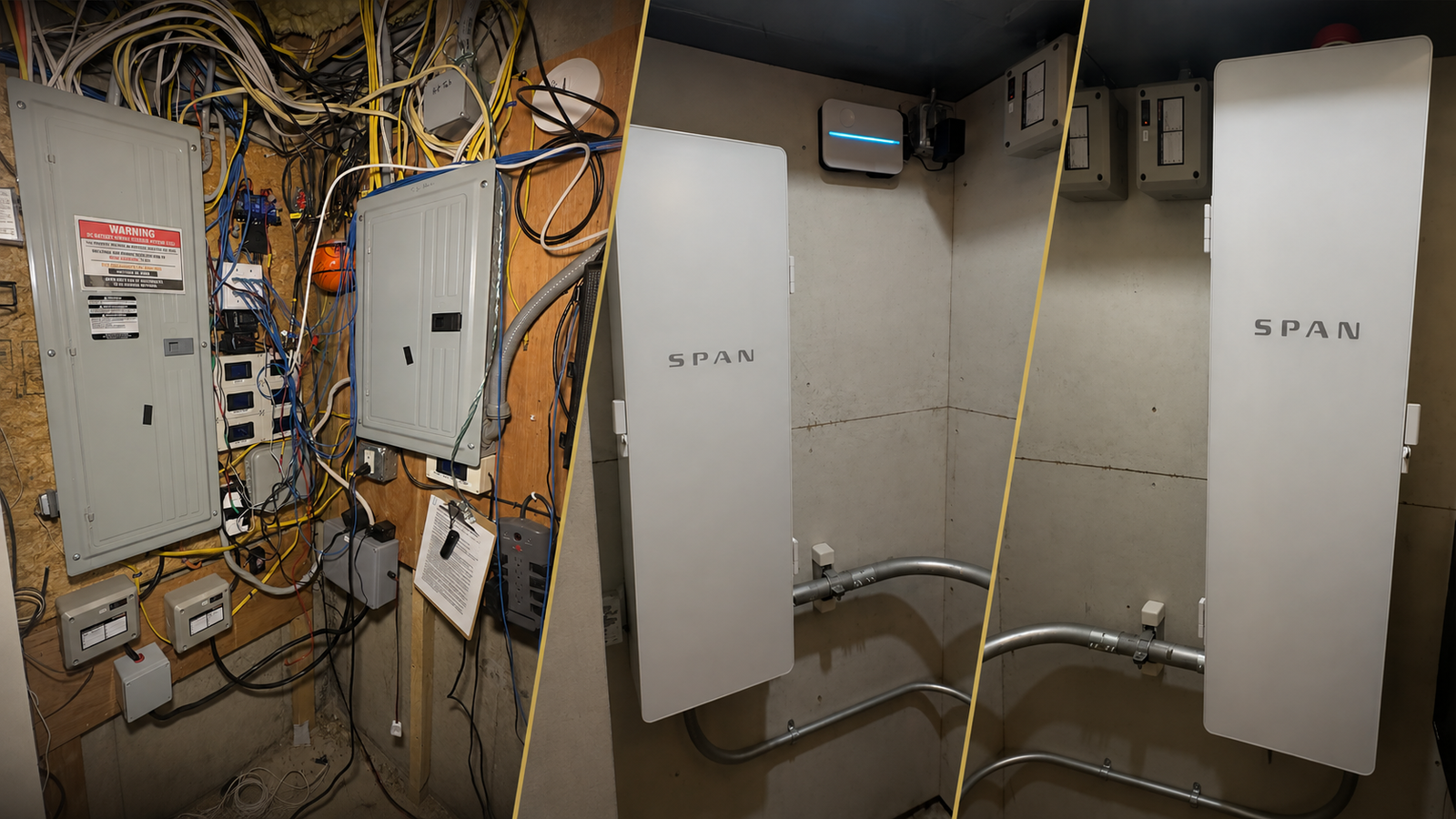
Some homes need more than a standard electrical panel upgrade.
As homeowners add more technology, comfort systems, appliances, EV chargers, battery systems, and modern electrical equipment, the demand on the electrical system can increase quickly.
In some properties, a traditional service upgrade may be expensive, complicated, or difficult because of how power is supplied to the home. This is especially true when service conductors are underground, access is limited, or the existing infrastructure creates major cost and scheduling challenges.
That is where smart electrical planning becomes important.
Professional Smart Electrical Panel Installation in Massachusetts can help homeowners better understand, organize, monitor, and manage how power is used throughout the property.
A smart panel does not replace the need for professional electrical evaluation. However, when properly designed, permitted, installed, and configured, it can be part of a smarter strategy for homes with high electrical demand.
The Power Pro Electrical Services provides professional electrical services in Massachusetts for homeowners who need safe, organized, and well-planned electrical solutions.
What Is a Smart Electrical Panel?
A smart electrical panel is an advanced panel system designed to provide more visibility and control over a home’s electrical circuits.
Unlike a traditional panel, a smart panel can allow homeowners and electricians to monitor energy use, manage selected circuits, and better understand how power is being used inside the property.
Depending on the system, smart electrical panels may support:
- circuit-level energy monitoring;
- load management;
- remote visibility through an app;
- better control over selected electrical loads;
- integration with EV chargers;
- support for battery backup strategies;
- improved energy organization;
- smarter planning for high-demand homes.
The goal is not only to distribute power.
The goal is to give the homeowner and electrician more information, more control, and a better way to manage the electrical system.
Why High-Demand Homes Need Better Electrical Planning
Modern homes use more electricity than many older systems were originally designed to support.
A high-demand home may include:
- mini split systems;
- electric heating or cooling equipment;
- EV chargers;
- battery storage;
- induction cooking;
- hot tubs;
- home office equipment;
- outdoor electrical systems;
- security cameras;
- smart home technology;
- additional appliances;
- finished basements or additions.
Each new system can increase the electrical load on the property.
Before adding more equipment, the existing electrical service, panel, wiring, and circuit layout should be evaluated. This helps determine whether the home can safely support the new demand or whether a different solution is needed.
A smart electrical panel can be one option when the home requires better visibility, load control, and electrical organization.
When a Traditional Service Upgrade Becomes Complicated
In many cases, increasing electrical capacity may require a service upgrade.
However, not every service upgrade is simple.
Some properties have underground electrical service. Others may have limited utility access, older infrastructure, difficult routing, or additional requirements that make a traditional upgrade more expensive and time-consuming.
When this happens, the project should not be treated as a simple panel replacement.
The electrician needs to evaluate the full system, the electrical demand, the available service, the utility conditions, and the best strategy for the property.
In some cases, smart load management may help create a better path forward.
This does not mean every home can avoid a service upgrade. It means the system should be professionally evaluated before deciding on the best solution.
What Is Load Management?
Load management is the process of controlling how electrical demand is handled across the property.
Instead of allowing every high-demand load to operate without coordination, a load management system can help prioritize how power is used.
For example, a home may not need every major electrical load running at full demand at the same time.
A smart panel may help manage selected circuits so the home can operate more intelligently within the limits of the electrical system.
Load management may be especially useful when a property has high-demand equipment but limited service capacity.
The objective is to help the electrical system operate safely and strategically, not to overload the home.
How Smart Panels Can Help With Energy Visibility
One of the major advantages of a smart electrical panel is visibility.
Traditional panels usually do not show homeowners how much energy each circuit is using. A smart panel can provide more detailed insight into energy usage throughout the home.
This can help homeowners understand:
- which circuits use the most power;
- when demand is highest;
- how new equipment affects the system;
- how energy is distributed across the property;
- which loads may need priority;
- how the home’s electrical use changes over time.
Better visibility helps support better decisions.
For high-demand homes, this information can be valuable when planning upgrades, managing energy, or preparing for future electrical needs.
Why Organization Matters in Smart Panel Projects
A smart panel installation is not only about adding new technology.
In many projects, the existing electrical system also needs better organization.
Older panels and wiring areas may include crowded circuits, unclear labeling, poorly routed wires, outdated equipment, or additions that were made over time without a clear structure.
Before installing a smart panel, the electrician may need to identify circuits, trace wiring, evaluate existing conditions, and clean up the electrical layout.
This step matters.
A smart system works best when the electrical infrastructure behind it is properly planned and organized.
Clean organization helps with safety, troubleshooting, future maintenance, and long-term serviceability.
Smart Electrical Panel Installation vs. Standard Panel Upgrade
A standard panel upgrade typically focuses on replacing or improving the electrical panel and related service equipment.
A smart electrical panel installation adds another layer: monitoring, control, and load management.
Both types of projects require professional electrical work.
However, a smart panel project may also include:
- circuit identification;
- smart panel configuration;
- load management setup;
- app-based monitoring;
- circuit prioritization;
- equipment coordination;
- customer education;
- inspection and approval requirements;
- planning for future electrical demand.
This makes planning especially important.
The panel must be installed correctly, but the system also needs to be configured around the way the home actually uses power.
Why a Professional Evaluation Comes First
Before installing a smart electrical panel, the home’s existing electrical system should be evaluated by a qualified electrician.
The evaluation may include:
- panel condition;
- service size;
- current electrical demand;
- available capacity;
- wiring condition;
- grounding and bonding;
- circuit organization;
- high-demand equipment;
- future upgrade plans;
- utility limitations;
- code and permit requirements.
This evaluation helps determine whether a smart panel is the right solution for the property.
It also helps avoid making assumptions based only on equipment features.
A smart panel can be powerful, but it still needs the right electrical foundation behind it.
Smart Panels and Service Upgrade Avoidance
Some smart panel systems include features designed to help manage electrical demand and keep the home operating within a set limit.
In certain cases, this may help a homeowner avoid or delay a costly service conductor upgrade.
However, this depends on the home, the electrical loads, local code requirements, utility conditions, product compatibility, and approval from the proper authority.
That is why this type of project must be handled carefully.
The correct process may include load calculations, documentation, permitting, inspection, product configuration, and proper labeling.
A smart panel should never be presented as a universal shortcut around an electrical service upgrade.
It is a tool that may be useful when the property qualifies and the system is designed correctly.
Smart Panels for EV Chargers
EV chargers can add significant demand to a home’s electrical system.
For some homeowners, adding an EV charger may raise questions about panel capacity, service size, and available load.
A smart electrical panel can help manage EV charging as part of the home’s broader energy strategy.
In some setups, the EV charger can be coordinated with other household loads so the system operates more intelligently.
This can be helpful when the homeowner wants the convenience of EV charging while still keeping the electrical system protected and properly managed.
Before installation, the panel, wiring path, charger location, and service capacity should always be evaluated.
Smart Panels for Electrification
Many homeowners are moving toward more electric systems.
This may include electric vehicles, mini splits, induction cooking, heat pumps, battery storage, and other modern equipment.
This process is often called home electrification.
As homes become more electric, electrical planning becomes more important.
A smart panel can help homeowners manage and understand the increased demand created by these systems.
It can also support better long-term planning as more electrical equipment is added to the property.
Smart Panels and Backup Power
Some smart electrical panels can also support more strategic backup power planning.
When paired with compatible battery systems or backup configurations, circuit-level control can help homeowners decide which loads should remain powered during an outage.
This can help make backup power more practical by prioritizing important circuits.
For example, a homeowner may want to prioritize refrigeration, heating or cooling, lighting, internet, medical equipment, or essential outlets.
Smart control can help create a more flexible backup strategy.
However, backup power design should always be evaluated based on the specific equipment, the home’s electrical system, and the homeowner’s needs.
Why Smart Panels Are Not a DIY Project
Smart electrical panel installation should always be completed by a qualified electrician.
This type of work involves the home’s main electrical system, panel replacement or integration, circuit management, load calculations, permitting, inspections, and product configuration.
Mistakes can create serious safety risks.
Professional installation helps ensure:
- safe wiring;
- correct equipment installation;
- proper circuit identification;
- code compliance;
- accurate configuration;
- safe load management;
- inspection readiness;
- long-term reliability.
A smart panel is only as effective as the electrical work behind it.
Signs Your Home May Need a Smarter Panel Solution
A smart panel solution may be worth discussing if your home has:
- high electrical demand;
- plans for an EV charger;
- plans for mini splits or heat pumps;
- battery backup or solar planning;
- limited service capacity;
- an expensive or difficult service upgrade path;
- underground service that is costly to modify;
- a disorganized existing electrical setup;
- plans for major renovation or addition;
- multiple high-demand appliances;
- a need for better energy visibility.
These signs do not automatically mean a smart panel is required.
They mean the electrical system should be evaluated so the right solution can be planned.
The Importance of Cleaning Up the Existing System
Many smart panel projects begin with a challenge that is not only about capacity.
Sometimes the existing system is disorganized, crowded, or difficult to understand.
Before a new solution can be installed, the electrician may need to clean up the wiring, identify circuits, remove confusion, and create a better structure.
This is one of the most valuable parts of the project.
A cleaner electrical system helps support safety, serviceability, and future upgrades.
It also makes the finished installation easier to understand and maintain.
Smart Electrical Panel Installation in Massachusetts
Every home is different.
Some properties need a traditional panel upgrade. Others need a service upgrade. Some may benefit from a smart electrical panel solution with load management and better circuit visibility.
The right answer depends on the property’s actual electrical demand, the existing infrastructure, local requirements, and the homeowner’s future plans.
The Power Pro Electrical Services provides Smart Electrical Panel Installation in Massachusetts for homeowners who need a more strategic approach to high-demand electrical systems.
Our team focuses on evaluation, planning, organization, safe installation, and long-term reliability.
If your home has high electrical demand, an older panel, plans for new equipment, or a complicated upgrade path, contact The Power Pro Electrical Services to discuss the best electrical solution for your Massachusetts property.
Frequently Asked Questions
What is a smart electrical panel?
A smart electrical panel is an advanced panel system that can provide energy monitoring, circuit-level visibility, load management, and better control over selected electrical loads.
Can a smart panel replace a traditional electrical panel?
In many installations, a smart panel can replace or work as part of the home’s electrical panel system. The correct setup depends on the property, equipment, and installation requirements.
Can a smart panel help avoid a service upgrade?
In some cases, smart load management may help avoid or delay a costly service conductor upgrade. However, this depends on load calculations, local requirements, utility conditions, permits, and professional approval.
Is a smart panel useful for EV charging?
Yes. Smart panels can help manage EV charging as part of the home’s electrical demand, especially when the property has limited capacity or other high-demand equipment.
Does a smart panel help with energy monitoring?
Yes. Many smart panels provide circuit-level energy monitoring so homeowners can better understand how power is used throughout the home.
Do smart panels require professional installation?
Yes. Smart electrical panel installation should be completed by a qualified electrician because it involves the home’s main electrical system, load management, code compliance, and safety requirements.
When should I consider a smart panel?
You may want to consider a smart panel if your home has high electrical demand, plans for an EV charger, electrification upgrades, backup power needs, limited service capacity, or a complicated service upgrade path.