
Power outages in Massachusetts are becoming more frequent due to storms, heavy snow, grid overload, and aging infrastructure. For homeowners and businesses, losing electricity is no longer just an inconvenience, it can mean safety risks, financial losses, and operational downtime.
That’s why standby generator installation has become one of the most important electrical upgrades for properties across Massachusetts.
What Is a Standby Generator?
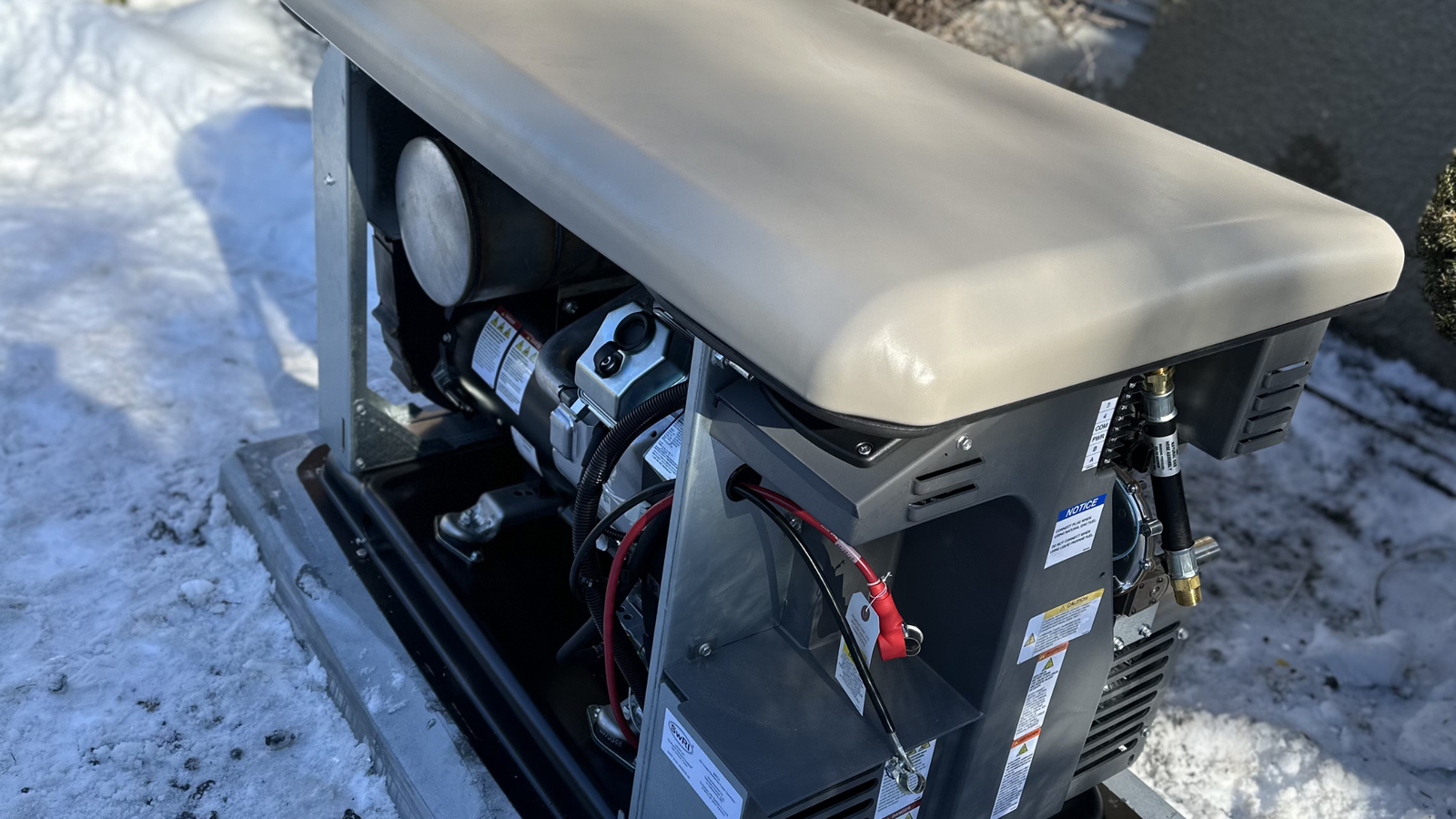
A standby generator is a permanently installed backup power system that automatically turns on when utility power fails. Unlike portable generators, standby systems are directly connected to your electrical panel and operate through an automatic transfer switch.
When the power goes out, the generator activates within seconds, restoring electricity safely and seamlessly.
No extension cords.
No manual startup.
No interruption to essential systems.
Why Massachusetts Homes and Businesses Are Installing Generators.
Massachusetts weather conditions can be unpredictable. Snowstorms, high winds, and seasonal grid stress can leave properties without power for hours, sometimes days.
A professionally installed standby generator protects:
- Heating systems during winter.
• Refrigeration and food storage.
• Medical equipment.
• Security systems.
• Business operations.
• Data and network infrastructure.
Backup power is not just about comfort, it’s about protection and continuity.
Professional Generator Installation Matters.
Generator installation is not a DIY project. It requires:
- Proper load calculation.
• Correct generator sizing.
• Code-compliant wiring.
• Transfer switch integration.
• Fuel system coordination.
• Local permit approval.
• Electrical inspection compliance.
In Massachusetts, all installations must follow state electrical code and pass inspection. Improper installation can lead to safety hazards, insurance issues, and failed inspections.
Working with a licensed electrician ensures the system is safe, compliant, and built to last.
Generator Maintenance Is Just as Important.
Installing a generator is only part of the solution. Regular maintenance ensures your system is ready when you need it most.
Professional generator maintenance includes:
- Oil and filter changes.
• Battery inspection.
• System diagnostics.
• Load testing.
• Fuel system checks.
• Software and control panel verification.
A generator that isn’t maintained may fail during an outage, which defeats its entire purpose.
Residential and Commercial Generator Solutions in Massachusetts.
Every property has different energy demands. A residential home requires a different configuration than a commercial facility.
A professional evaluation includes:
- Energy load assessment.
• Critical circuit identification.
• Future expansion planning.
• Fuel type considerations (natural gas or propane).
Proper planning ensures your generator supports what truly matters when power is lost.
Is a Backup Generator Worth It?
For most Massachusetts property owners, the answer is yes.
When you consider:
- The cost of spoiled food.
• Frozen pipes.
• Business downtime.
• Equipment damage.
• Security vulnerabilities.
The investment in backup power quickly becomes a strategic protection decision.
Licensed Generator Installation in Massachusetts
If you’re considering installing a standby generator or maintaining an existing system, working with a licensed Massachusetts electrician ensures:
- Code compliance.
• Safe integration.
• Reliable performance.
• Long-term protection.
Backup power is about preparation, not reaction.
If you want your home or business to stay protected during the next outage, schedule a professional generator consultation today.